
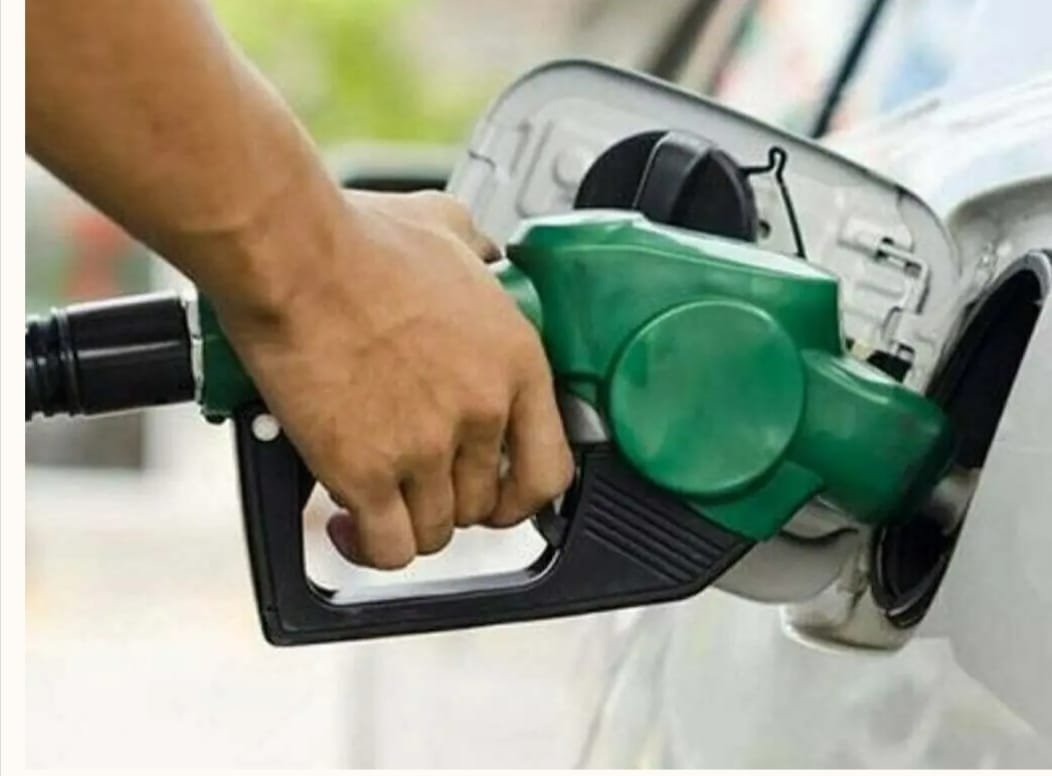
Pakistan Industrial and Traders Associations Front Slams Fuel Price Hike as Crushing Burden on Trade, Industry
By Muhammad Shahzad | Lahore, PakistanLAHORE: The Pakistan Industrial and Traders Associations Front (PIAF) has strongly criticized the federal government’s latest decision to increase petrol and diesel prices, warning that the move will impose additional financial strain on businesses, transport operators, and consumers nationwide.PIAF Chairman Faheemur Rehman Saigol, who also serves as President of the…
By Muhammad Shahzad | Lahore, Pakistan
LAHORE: The Pakistan Industrial and Traders Associations Front (PIAF) has strongly criticized the federal government’s latest decision to increase petrol and diesel prices, warning that the move will impose additional financial strain on businesses, transport operators, and consumers nationwide.
PIAF Chairman Faheemur Rehman Saigol, who also serves as President of the Lahore Chamber of Commerce and Industry, said the nearly Rs8 per litre increase in petrol and Rs5 per litre hike in diesel—effective immediately for the next 15 days—will significantly raise operational costs for industries already grappling with inflation and high energy tariffs.
Saigol noted that Pakistan imports approximately 85 percent of its petroleum requirements, making the economy highly vulnerable to fluctuations in global oil prices. “While fuel pricing is influenced by international market trends, sudden and repeated hikes create uncertainty for businesses and disrupt planning. Industries, transporters, and consumers ultimately bear the brunt of such volatility,” he stated.
He warned that the cumulative impact of fortnightly revisions is particularly alarming for small and medium enterprises (SMEs), which have limited capacity to absorb rising input costs. “Without stable energy pricing, manufacturers face higher production expenses that are inevitably passed on to consumers, further fueling inflation,” he added.
PIAF Senior Vice Chairman Nasrullah Mughal said continuous increases in fuel prices are unsustainable and could hinder economic recovery. “Transport costs form a major component of the overall cost of doing business. Every hike in petrol and diesel adds to logistics expenses, affecting supply chains and market prices. If unchecked, these increases will reduce the competitiveness of goods both domestically and internationally,” he cautioned.
PIAF Vice Chairman Tahir Manzoor Chaudhry highlighted the cascading effects on households and essential services. “Higher fuel prices immediately translate into increased transportation fares and higher costs of goods, putting pressure on daily household budgets. This weakens purchasing power, dampens consumer demand, and places further strain on the broader economy,” he said.
The PIAF leadership urged the government to consider alternative measures, including targeted relief for critical sectors and strategic planning to stabilize domestic fuel prices, instead of directly passing on every fluctuation in global oil markets to consumers. They stressed the importance of transparent and predictable pricing mechanisms to enable businesses to manage costs effectively.
Concluding, Saigol called for meaningful engagement between policymakers and business representatives to explore sustainable energy pricing solutions. “Ensuring predictability in fuel costs is vital for economic stability. Policymakers must consider the long-term implications of these increases on industry, transport, and consumers,” he said.
The PIAF reaffirmed its commitment to working with the government to promote balanced policies that meet fiscal needs while safeguarding industrial growth, investor confidence, and livelihoods.


