Tehran Rocked by Continued Strikes as US Claims Destruction of IRGC Headquarters
Tehran / Washington — March 2, 2026Explosions continued to shake the Iranian capital of Tehran as the United States and Israel pressed forward with large-scale military operations for a second consecutive day. Residents flooded the streets in the aftermath of each blast, chanting “Allahu Akbar.”US Central Command (CENTCOM) confirmed in an official statement that more…
Tehran / Washington — March 2, 2026
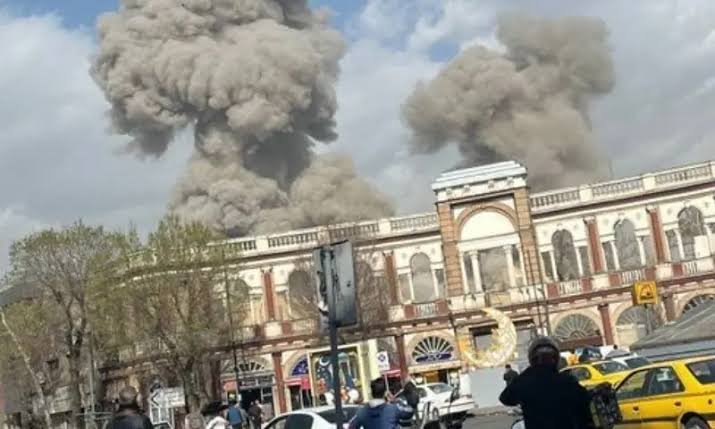
Explosions continued to shake the Iranian capital of Tehran as the United States and Israel pressed forward with large-scale military operations for a second consecutive day. Residents flooded the streets in the aftermath of each blast, chanting “Allahu Akbar.”
US Central Command (CENTCOM) confirmed in an official statement that more than 1,000 targets had been struck across Iran, including the headquarters of the Islamic Revolutionary Guard Corps (IRGC) and its Aerospace Forces command. Iranian ballistic missile sites and naval vessels were also struck.
The operation, codenamed “Operation Epic Fury” by the US Department of Defense and “Roaring Lion” by Israel, began on February 28, 2026, targeting key officials, military commanders, and strategic facilities across Iran.
Supreme Leader Ali Khamenei was killed in the joint US-Israeli strikes, along with his daughter, son-in-law, and grandson. Iran declared 40 days of national mourning. IRGC Commander-in-Chief Mohammad Pakpour and security adviser Ali Shamkhani were also confirmed killed. A temporary leadership council has been established to govern Iran during the transitional period.
President Trump acknowledged that three American service members had been killed since the start of combat operations, warning that further casualties were likely, while vowing to continue the mission.
In a significant development, Trump announced that Iran had expressed a desire for talks, saying “They want to talk, and I have agreed to talk.” However, he noted that many of the Iranian officials involved in previous nuclear negotiations had since been killed in the strikes.
Iran retaliated by launching multiple waves of missiles and drones targeting Israel and US military bases across the Middle East, with the IRGC vowing the operation would “continue relentlessly until the enemy is decisively defeated.” Iran has also threatened to close the Strait of Hormuz, raising fears of a major disruption to global oil supplies.
The conflict represents the most significant direct military confrontation between the United States and Iran in modern history, with ripple effects being felt across the wider Middle East.