22 Indian Vessels Stranded in Strait of Hormuz as Iran Sets Conditions for Passage
TEHRAN / NEW DELHI — Tensions between Iran and India have escalated sharply after Tehran set preconditions for allowing 22 Indian commercial vessels to pass through the strategically vital Strait of Hormuz, a move that could have significant implications for regional trade and diplomacy.According to reports, Iran has demanded the return of three Iranian oil…
TEHRAN / NEW DELHI — Tensions between Iran and India have escalated sharply after Tehran set preconditions for allowing 22 Indian commercial vessels to pass through the strategically vital Strait of Hormuz, a move that could have significant implications for regional trade and diplomacy.
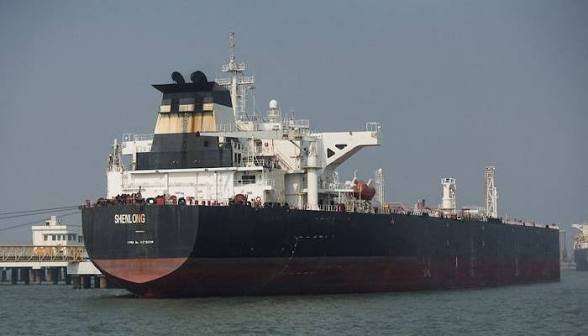
According to reports, Iran has demanded the return of three Iranian oil tankers that were seized by India prior to the outbreak of hostilities in the region, at a time when New Delhi was engaged in a major trade deal with Washington. Tehran has made the release of these vessels a prerequisite for granting safe passage to the stranded Indian ships.
In addition to the return of its tankers, Reuters reports that Iran has also demanded that India supply medicines and medical equipment — a demand that analysts believe reflects the growing pressure of international sanctions on Iran’s healthcare sector.
However, the Indian government has officially denied that any such demand has been formally communicated by Tehran, adding a layer of diplomatic ambiguity to the standoff.
The Strait of Hormuz, through which nearly 20 percent of the world’s oil supply passes, is one of the most critical maritime chokepoints in the world. The continued stranding of 22 Indian vessels poses serious economic concerns for Indian shipping companies and could further strain bilateral ties between the two nations.
International observers are closely monitoring the situation as it unfolds amid broader regional instability.