Iran Fires Cluster Missiles at Israel in Revenge Strikes — Deaths Reported Near Tel Aviv
TEL AVIV / TEHRAN — March 19, 2026Iran has escalated its retaliatory strikes against Israel, launching deadly cluster missile attacks on central Israeli cities in what Tehran describes as acts of revenge for the assassination of its top officials.Iran fired deadly cluster missiles at central Israel — missiles with multiple warheads designed to better evade…
TEL AVIV / TEHRAN — March 19, 2026
Iran has escalated its retaliatory strikes against Israel, launching deadly cluster missile attacks on central Israeli cities in what Tehran describes as acts of revenge for the assassination of its top officials.
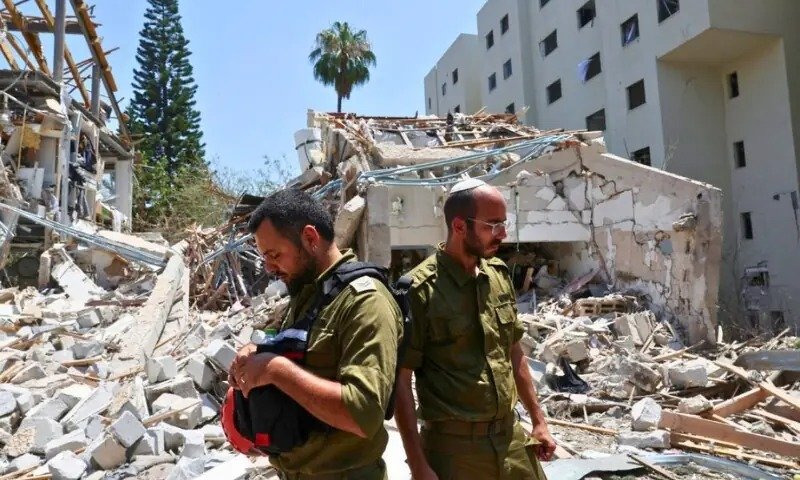
Iran fired deadly cluster missiles at central Israel — missiles with multiple warheads designed to better evade defense systems — killing two people in the Ramat Gan area near Tel Aviv. The Iranian missile attack also caused significant damage in other parts of central Israel, inclg a train station in Tel Aviv.
Iran said the strikes were carried out in revenge for Israel’s killing of two top Iranian leaders, Ali Larijani and Gholamreza Soleimani. (NPR) Iran later confirmed the death of Intelligence Minister Esmail Khatib — the third top Iranian official killed by Israel in about 24 hours.
The broader conflict, which began on February 28, continues to escalate with mounting casualties on all sides. Health authorities have reported approximately 1,300 killed in Iran, 968 in Lebanon, and 16 in Israel since the war began. (NPR)
The U.S. military says it has struck more than 7,800 targets in Iran and damaged or destroyed over 120 Iranian vessels since the start of operations. Despite these strikes, Iran retains enough missile capabilities to inflict significant damage, according to analysts, though the total number of missiles launched at Israel has dropped sharply since the opening days of the conflict.
Iran’s Foreign Minister Abbas Araghchi maintained that the Islamic Republic’s leadership remains intact, stating that the country has “strong political, economic and social institutions” that do not depend on any single individual.