Islamabad: PM Shehbaz Sharif Chairs High-Level Meeting on Long-Term Electricity Planning and Export Strategy
Islamabad (Special Correspondent) — Prime Minister Muhammad Shehbaz Sharif on Tuesday presided over an important meeting to review long-term planning for electricity supply in view of future requirements and progress on Pakistan’s exports amid the current international situation.The Prime Minister was briefed on the long-term strategy for electricity generation, opportunities for national exports in the…
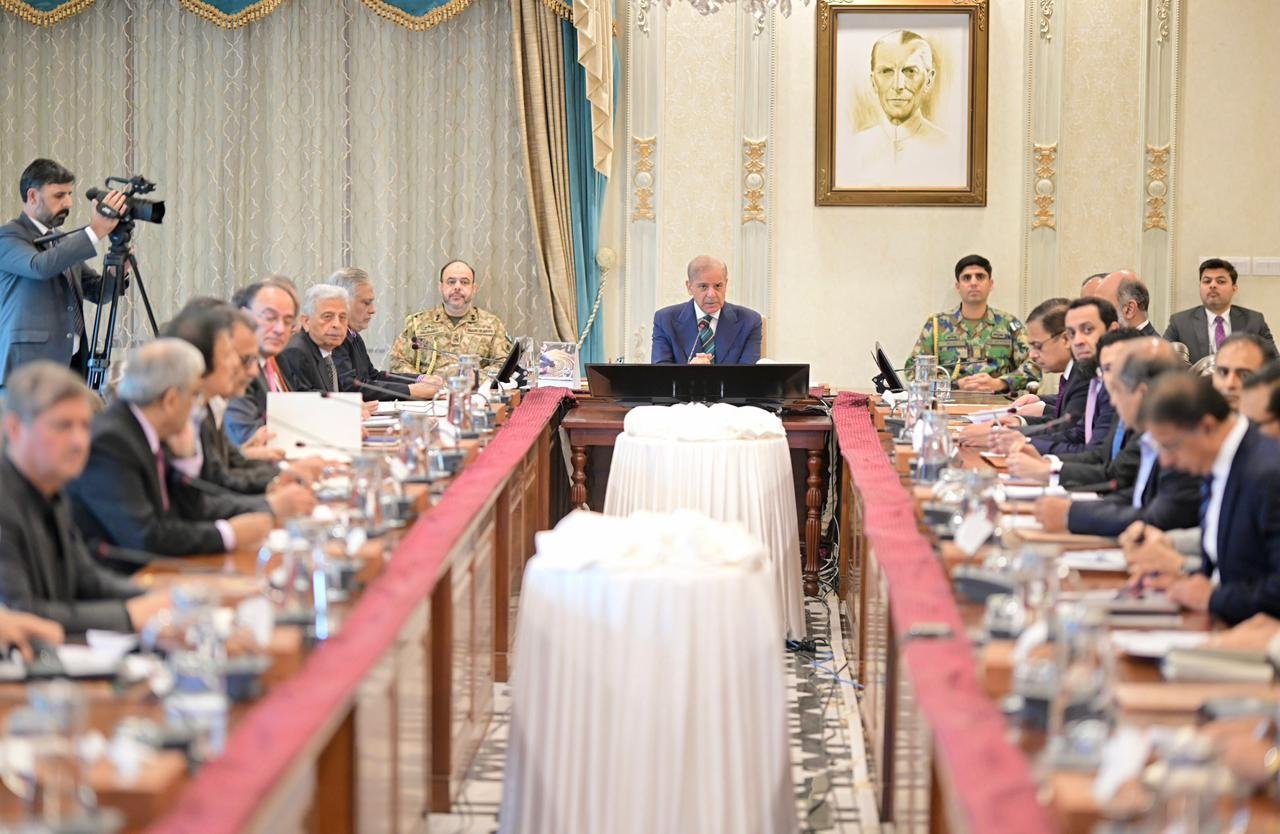
Islamabad (Special Correspondent) — Prime Minister Muhammad Shehbaz Sharif on Tuesday presided over an important meeting to review long-term planning for electricity supply in view of future requirements and progress on Pakistan’s exports amid the current international situation.
The Prime Minister was briefed on the long-term strategy for electricity generation, opportunities for national exports in the prevailing global scenario, challenges being faced, and measures to address them.
PM Shehbaz Sharif’s Key Remarks:
Despite disruptions in oil supply due to regional tensions, no energy crisis has emerged in the country owing to the adequate share of renewable energy in electricity generation.
Solar energy and other renewable sources represent the future of Pakistan’s power sector.
Work on the Battery Energy Storage System project should be expedited.
A comprehensive national strategy should be formulated to further expand renewable energy sources.
The Prime Minister directed the Pakistan National Shipping Corporation (PNSC) to arrange additional vessels to boost exports through maritime routes. He noted that despite ongoing regional tensions and global challenges, successful diplomacy has ensured the continued flow of Pakistani exports to Gulf countries. Demand for Pakistani agricultural commodities in Gulf markets continues to rise.
Briefing Highlights:
Currently, 55% of total electricity generation comes from renewable sources, while 45% is from fossil fuels.
Planning is underway to increase the share of renewable energy in electricity generation to 90% and reduce fossil fuel-based generation to 10% over the next ten years.
The meeting was attended by Deputy Prime Minister and Foreign Minister Muhammad Ishaq Dar, Federal Ministers Dr. Ahsan Iqbal, Rana Tanveer Hussain, Jam Kamal Khan, Dr. Musadik Masood Malik, Ahad Cheema, Muhammad Aurangzeb, Attaullah Tarar, Ali Pervez Malik, Sardar Awais Ahmad Leghari, Junaid Anwar Chaudhry, Minister of State for Finance Bilal Azhar Kiani, Special Assistants Haroon Akhtar and Tariq Bajwa, Governor State Bank Jameel Ahmed, and senior officials of relevant departments.
These measures reflect the government’s commitment to a clean energy transition, energy security, and enhancing export resilience amid regional uncertainties. The shift towards renewables is expected to strengthen Pakistan’s economy and reduce dependence on imported fossil fuels.