US–Iran Islamabad Talks Collapse Without Deal as Hormuz Deadlock Persists
Islamabad —High-stakes negotiations between the United States and Iran in Islamabad have ended without agreement, as Vice President JD Vance departed Pakistan Sunday after marathon talks failed to produce a breakthrough. Vance said he had engaged “in good faith” but that Washington still needed to see a “fundamental commitment of will” from Tehran to abandon…
Islamabad —
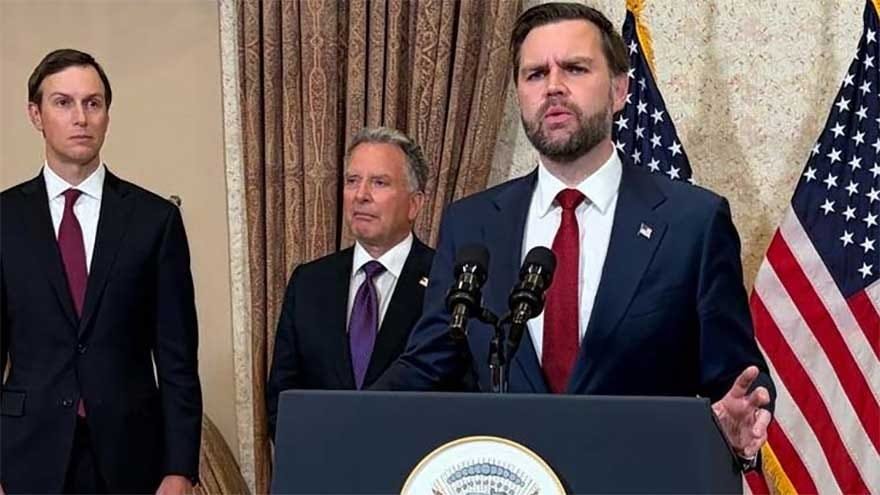
High-stakes negotiations between the United States and Iran in Islamabad have ended without agreement, as Vice President JD Vance departed Pakistan Sunday after marathon talks failed to produce a breakthrough. Vance said he had engaged “in good faith” but that Washington still needed to see a “fundamental commitment of will” from Tehran to abandon its nuclear weapons ambitions — a commitment Iran did not provide.
Iran’s foreign ministry described the discussions as “intensive” while urging the US to refrain from what it called “excessive demands and unlawful requests.” According to Tehran, the talks covered a broad range of issues including Iran’s nuclear programme and the strategic Strait of Hormuz, which has emerged as a central and unresolved sticking point.
Pakistani sources cited by foreign media said the overall atmosphere was constructive, but a stalemate over the Strait of Hormuz — where the US announced mine-clearing operations began Saturday — prevented any final accord. A White House official confirmed that trilateral talks extended into Sunday, with hours-long sessions pushing negotiations deep into the weekend.
The Islamabad round marked a rare and historic moment: a direct, face-to-face meeting between senior American and Iranian officials without the customary use of intermediaries. Despite the lack of a deal, both sides indicated that diplomatic channels remain open.