Pakistan Ends Dependence on Afghanistan, Opens New Trade Route to Iran and Central Asia via Gabd Border Terminal
Gwadar/Karachi (April 15, 2026) — Pakistan has achieved a significant milestone in regional connectivity by fully activating the Gabd-Rimdan Border Terminal with Iran under the International Road Transport (TIR) system.This new overland corridor allows Pakistan to bypass traditional routes through Afghanistan and establish a shorter, safer, and more efficient road link to Central Asian states,…
Gwadar/Karachi (April 15, 2026) — Pakistan has achieved a significant milestone in regional connectivity by fully activating the Gabd-Rimdan Border Terminal with Iran under the International Road Transport (TIR) system.
This new overland corridor allows Pakistan to bypass traditional routes through Afghanistan and establish a shorter, safer, and more efficient road link to Central Asian states, including Uzbekistan and Turkmenistan.
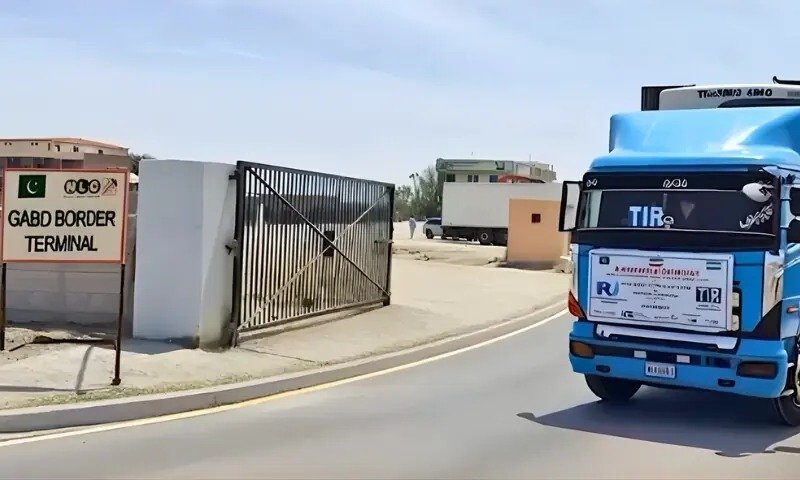
The National Logistics Corporation (NLC) confirmed that the first export consignment — refrigerated containers of frozen beef/meat — has been dispatched from Karachi to Tashkent, Uzbekistan, via the new Pakistan-Iran transit corridor. The shipment will travel through Gwadar port and cross into Iran at the Gabd-Rimdan border before proceeding to Central Asia.
Key Advantages of the New Route:
Shorter distance and reduced transit time compared to the Afghanistan corridor
Lower logistics costs for exporters
Enhanced security and modern infrastructure
Increased utilization of Gwadar and Karachi ports
New opportunities for Pakistani agricultural and livestock exports
The Gabd Border Terminal, located just 70 km from Gwadar, is strategically positioned to boost trade. Officials described the development as a major step toward reducing dependence on Afghan routes and positioning Pakistan as a key regional trade hub connecting South Asia, the Middle East, and Central Asia.
Experts believe the corridor will not only increase Pakistan’s exports but also give Central Asian countries better access to Pakistani ports, further strengthening bilateral and multilateral trade ties in the region.
This move comes as part of Pakistan’s broader strategy to diversify trade routes and enhance economic cooperation with Iran and landlocked Central Asian republics.