Islamabad: Oil Tanker Movement Suspended, Key Unit at Attock Refinery Shut Down
VIP Security Protocol for Foreign Delegations Disrupts Fuel Supply Chain The movement of oil tankers in and around Islamabad has been brought to a complete halt following the imposition of stringent security protocols tied to the arrival of foreign delegations in the capital — a disruption that has forced the closure of a critical production…
VIP Security Protocol for Foreign Delegations Disrupts Fuel Supply Chain
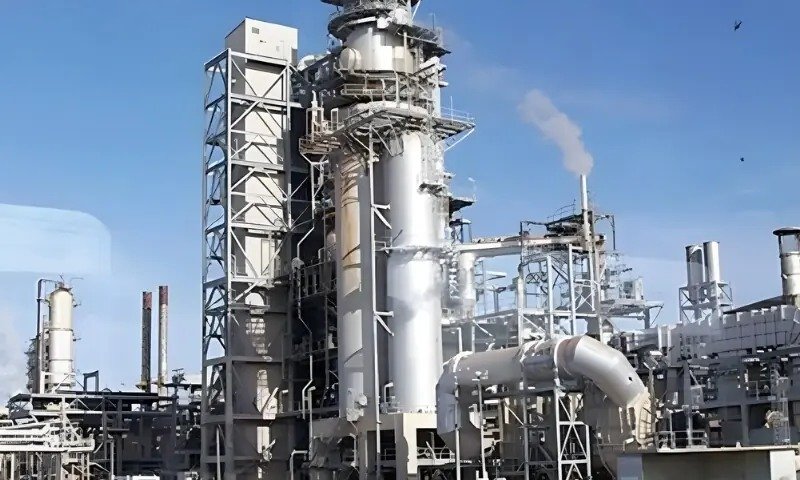
The movement of oil tankers in and around Islamabad has been brought to a complete halt following the imposition of stringent security protocols tied to the arrival of foreign delegations in the capital — a disruption that has forced the closure of a critical production unit at the Attock Refinery.
According to sources familiar with the matter, major arterial routes leading to and from the capital were placed under heavy security restrictions to facilitate the movement of diplomatic convoys, effectively blocking heavy vehicles including fuel tankers from operating on key highways. The resulting breakdown in the logistics chain left the Attock Refinery without adequate supply of crude oil and feedstock, compelling management to suspend operations at one of its key processing units.
Industry insiders have raised concerns that a prolonged halt could begin to affect the availability of petroleum products across northern Pakistan, where the Attock Refinery serves as a primary supplier. The refinery, one of Pakistan’s oldest and most strategically significant, plays a vital role in meeting the fuel demands of the region.
Authorities, however, have sought to downplay concerns, indicating that the restrictions are temporary in nature and that tanker operations are expected to resume to normal levels once the visiting delegations have departed.
The incident has once again highlighted the vulnerability of Pakistan’s fuel supply chain to disruptions caused by VIP security protocols — a recurring concern among industry stakeholders who have long called for better coordination between security agencies and the energy sector during high-profile diplomatic events.