Trump Orders Green Card Renewals to Be Processed Abroad, Forcing Applicants to Leave the US
WashingtonPresident Donald Trump has signed an executive order fundamentally altering the green card renewal process, requiring most foreign nationals seeking to renew their permanent residency to leave the United States and apply through the State Department from their home countries.US Citizenship and Immigration Services (USCIS) announced the new policy on Friday, stating that all applications…
Washington
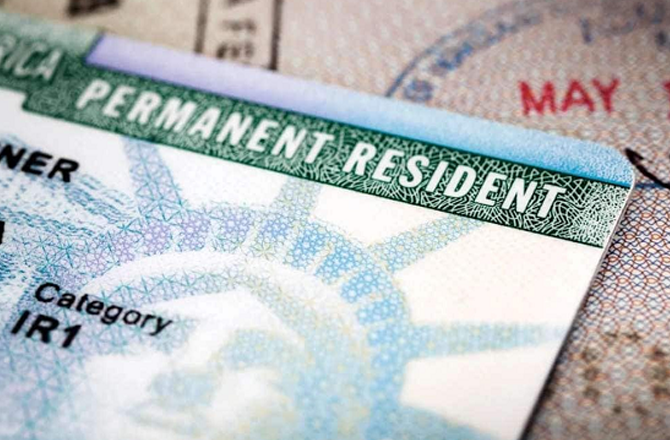
President Donald Trump has signed an executive order fundamentally altering the green card renewal process, requiring most foreign nationals seeking to renew their permanent residency to leave the United States and apply through the State Department from their home countries.
US Citizenship and Immigration Services (USCIS) announced the new policy on Friday, stating that all applications will be reviewed on a case-by-case basis. Agency spokesman Zack Kahler said the measure aligns with the original intent of immigration law and closes what the administration describes as a loophole that allowed holders of student, tourist, and temporary work visas to pursue permanent residency without departing the country.
“When foreign nationals apply from their home countries, there will be less need to locate and remove those who go underground after being denied,” Kahler said.
The policy has drawn immediate criticism from refugee advocacy groups, who warn that genuine asylum seekers fleeing violence, persecution, and conflict could face life-threatening danger if compelled to return to the very countries they fled. Critics also argue the measure effectively penalises legal immigrants who have built lives and careers in the United States.
The announcement comes amid a broader tightening of US immigration policy under the Trump administration. The annual refugee admissions ceiling for 2026 has been slashed to just 7,500 — among the lowest in recent history — while the refugee resettlement programme has remained indefinitely suspended since January 2025, leaving tens of thousands of approved applicants in limbo.
Approximately 200,000 individuals remain stranded in border camps and immigration detention facilities, the majority from Afghanistan, Syria, Venezuela, and the Democratic Republic of Congo.
Rights organisations have called the cumulative impact of these policies a humanitarian crisis, warning that vulnerable populations are bearing the brunt of an increasingly restrictive approach to immigration enforcement.