US-Iran Escalation: Airstrikes, Missile Barrages, and Threat to Close Strait of Hormuz
Washington / Tehran — June 6, 2026Tensions between the United States and Iran have entered a dangerous new phase following a series of military exchanges in the Gulf region on Saturday.US Central Command (CENTCOM) confirmed that American forces struck radar installations at Goruk and Qeshm Island in Iran, describing the strikes as a defensive response…
Washington / Tehran — June 6, 2026
Tensions between the United States and Iran have entered a dangerous new phase following a series of military exchanges in the Gulf region on Saturday.
US Central Command (CENTCOM) confirmed that American forces struck radar installations at Goruk and Qeshm Island in Iran, describing the strikes as a defensive response to four Iranian drones launched against US assets. All four drones were intercepted and destroyed, according to CENTCOM, which added that no American personnel were harmed in any of the exchanges.
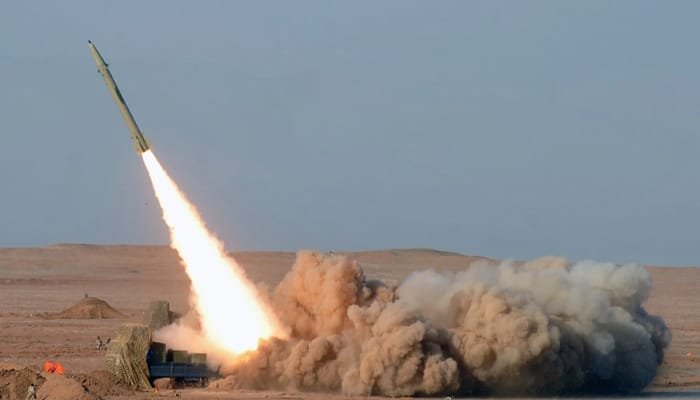
Iran’s Islamic Revolutionary Guard Corps (IRGC) claimed it retaliated by launching ballistic missiles targeting US air bases across the region. CENTCOM said it had successfully intercepted multiple ballistic missiles and drones directed toward the Strait of Hormuz and Gulf states.
Iran’s state news agency stated that warning shots had been fired at US naval vessels operating near the Strait of Hormuz, while the IRGC also claimed to have opened fire on four tankers allegedly attempting to transit the strait without authorization.
In a stark warning, the IRGC threatened to completely seal off the Strait of Hormuz if US military operations continue, stating that Washington would bear full responsibility for any closure. The strait is a critical chokepoint through which approximately 20% of the world’s oil supply passes daily, and any disruption would have severe consequences for global energy markets.
The international community has urged both sides to exercise maximum restraint to prevent further escalation.