Indus River Is No Weapon to Be Handed to India’: Bilawal Bhutto Warns of Grave Consequences
‘ISLAMABAD — Pakistan Peoples Party Chairman Bilawal Bhutto Zardari has warned that continued suspension of the Indus Waters Treaty between Pakistan and India will have “grave consequences” for regional peace. He made clear that Pakistan will not compromise on its water rights and will defend them at all costs.Addressing an international seminar in Islamabad on…
‘
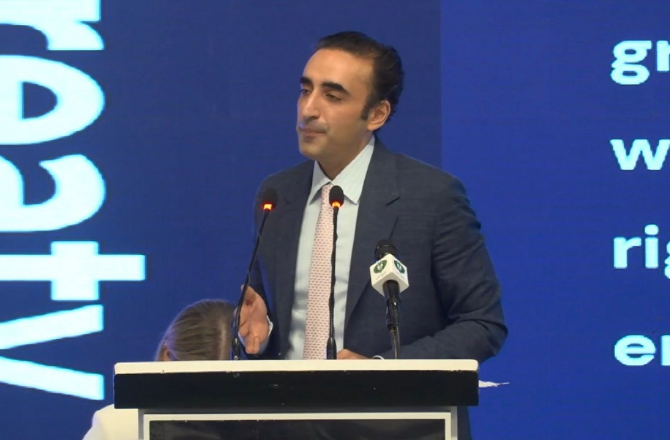
ISLAMABAD — Pakistan Peoples Party Chairman Bilawal Bhutto Zardari has warned that continued suspension of the Indus Waters Treaty between Pakistan and India will have “grave consequences” for regional peace. He made clear that Pakistan will not compromise on its water rights and will defend them at all costs.
Addressing an international seminar in Islamabad on June 30, Bilawal said: “We want peace, but peace with dignity. We want negotiations under the law. We want coexistence, not subjugation.” Calling the Indus water system fundamental to Pakistan’s survival and future, he said: “The Indus is not a pressure point. Indus is not a bargaining chip. Indus is not a weapon to be handed over to India. The Indus River is Pakistan’s jugular vein.”
Framing the water treaty as a matter of national security, Bilawal insisted that lasting peace in the region cannot be achieved without its restoration. “Pakistan will defend its water, its people, its treaty, its sovereignty and its future,” he said.
Pakistan’s Deputy Prime Minister and Foreign Minister Ishaq Dar echoed the warning on social media platform X, stating that “shared waters should never be used as a weapon.” He cautioned that any attempt to alter the existing water-sharing arrangements would have “serious consequences” for regional stability. Former Foreign Minister Hina Rabbani Khar added that the treaty cannot be amended or terminated through unilateral political decisions and requires the approval of both governments.
India, in contrast, maintains that the 1960 treaty is “outdated” and cannot be separated from the issue of cross-border terrorism. Anupam Singh, First Secretary at India’s Permanent Mission to the United Nations, said: “It defies logic that a state which exports terrorism as an instrument of policy continues to demand the privileges of goodwill and cooperation based on friendship.” He added that “a treaty from 1960 cannot be treated as a perpetual entitlement.”