Strong Leadership Essential for Quality Healthcare, Says PGMI Principal
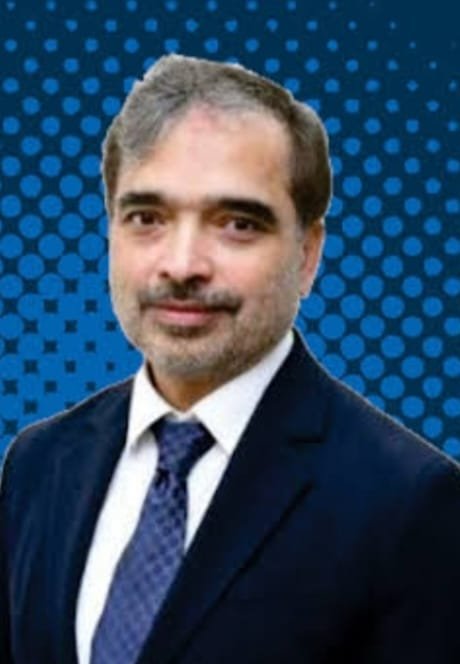
By Dr. Ansab Ali | Lahore, Pakistan LAHORE: Principal of the Postgraduate Medical Institute (PGMI), Prof. Dr. Muhammad Farooq Afzal, has emphasized that quality healthcare cannot be achieved without visionary and transformative leadership, saying the real revolution in medical education and healthcare institutions depends more on effective leadership than on modern infrastructure or advanced technology….
By Dr. Ansab Ali | Lahore, Pakistan
LAHORE: Principal of the Postgraduate Medical Institute (PGMI), Prof. Dr. Muhammad Farooq Afzal, has emphasized that quality healthcare cannot be achieved without visionary and transformative leadership, saying the real revolution in medical education and healthcare institutions depends more on effective leadership than on modern infrastructure or advanced technology.
He expressed these views while addressing a one-day workshop titled “Leadership in Health Care”, organized by the Department of Medical Education at Amiruddin Medical College (AMC) and Lahore General Hospital (LGH) under the Faculty Development Program 2026.
Prof. Farooq Afzal said the greatest challenge facing healthcare institutions is not merely managing daily operations but developing faculty members and clinicians with strong leadership skills who can inspire future generations of medical professionals. He added that effective managerial capabilities are an essential additional qualification for every healthcare provider.
He said leadership in healthcare extends beyond administrative responsibilities and involves motivating teams, encouraging innovation, and creating an environment where education, research, and high-quality patient care receive equal priority. According to him, world-class healthcare systems can only be built by producing doctors who are not only outstanding clinicians but also capable leaders.
The workshop was conducted by renowned medical education experts Prof. Dr. Samir Riaz Qazi and Prof. Mahwish Arooj, who trained participants in modern healthcare leadership strategies, effective communication, teamwork, conflict resolution, and decision-making in high-pressure hospital environments.
The speakers stressed that leadership is not a position but a way of thinking and acting. They said successful leadership requires vision, integrity, empathy, and the ability to inspire positive institutional change. They described transformational leadership as a key factor in addressing modern healthcare challenges and ensuring sustainable improvements in the medical sector.
Chief Organizer of the program, Prof. Amina Ahsan Cheema, said the Faculty Development Program is designed to empower medical teachers and strengthen the future of medical education in Pakistan.
At the conclusion of the workshop, participants pledged to implement the knowledge and leadership principles gained during the training in their respective departments to improve teaching standards, institutional performance, and the quality of patient care.
The workshop was also attended by Medical Superintendent Prof. Faryad Hussain, Dr. Saira Zeeshan, faculty members, and other senior doctors.