Iran Showing Seriousness in Negotiations: Trump; Kuwait, Bahrain Secretly Struck Iran, Says Report
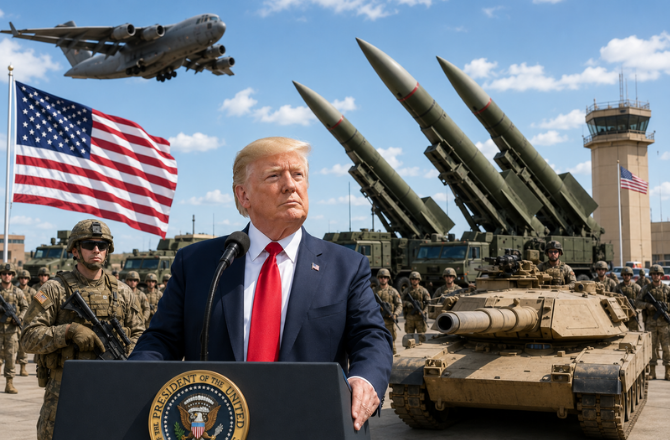
US President Donald Trump said on Friday that Iran has adopted its most serious posture yet toward reaching a deal with the United States. Speaking to reporters in the Oval Office, he said, “We are talking to them right now. I think as the days go by, they’re getting more and more serious; and the…
US President Donald Trump said on Friday that Iran has adopted its most serious posture yet toward reaching a deal with the United States. Speaking to reporters in the Oval Office, he said, “We are talking to them right now. I think as the days go by, they’re getting more and more serious; and the reason is probably pretty obvious.” He added that diplomacy remains possible, but that the US is “locked and loaded” should military action become necessary. Reports suggest Trump had been weighing a “big strike” against Iran but has not yet made a final decision on the matter.
Separately, according to a report by The Wall Street Journal, Bahrain and Kuwait secretly sent fighter jets in early July to strike targets inside Iran — marking their first direct military retaliation against Tehran. Citing people familiar with the matter, the report said the strikes targeted facilities storing drones and missiles, along with other military installations.
The United Arab Emirates (UAE), which had previously carried out multiple strikes on Iran, reportedly provided target intelligence and air defense support to Bahrain and Kuwait, reflecting growing cooperation among Arab states against Tehran. Neither Bahrain nor Kuwait has publicly confirmed the operation. According to the WSJ, Saudi Arabia, which had backed the UAE in earlier strikes on Iran, is now reassessing its position, while Oman and Qatar have avoided direct confrontation with Tehran.
The report noted that Kuwait and Bahrain have borne the brunt of Iranian retaliatory strikes in recent weeks, as both countries host major US military assets. Bahrain is also home to the US Navy’s Fifth Fleet base. Kuwait’s foreign ministry had earlier said Iran targeted a power generation and desalination facility, calling it a dangerous escalation and a violation of international law.
Meanwhile, the Indian Embassy in Iran said an LPG tanker carrying 28 Indian crew members was attacked in the Strait of Hormuz on Friday, though all crew members were reported safe. Iran’s state broadcaster reported that another LPG tanker approaching the Strait of Hormuz was hit in a US missile strike that killed two crew members, after the vessel was reportedly mistaken for one carrying Iranian gas.
Iranian Foreign Minister Abbas Araghchi said bluntly on Friday that Iran would not accept a temporary ceasefire and would continue its current course of action until its demands regarding control of the Strait of Hormuz are met. An Iranian military commander said every Iranian civilian death would be met with the killing of a US soldier. Iran’s state broadcaster IRIB reported that officials formally declared this as their announced battlefield policy.
The US Embassy in Iraq issued a warning on Friday urging American citizens to remain vigilant, adding that amid rising regional tensions, Iran and its allied groups could target US interests and installations worldwide.
Trump also warned China and Russia on Friday that it would be “very bad” for either country if they supplied weapons to Iran, though he said he believes both governments have pledged not to do so. According to The New York Times, Trump separately met with senior advisers and cabinet members to discuss the possibility of expanding US military action against Iran.