US Cancer Patient’s Hijab Question Draws Global Support From Muslim Women
Washington: Jacey Abbott, a 42-year-old mother of three from Bay Minette, Alabama, who is battling stage 4 metastatic breast cancer, asked Muslims on the social media platform Threads whether she could wear a hijab despite not being Muslim. Her question received an overwhelming response from Muslim women around the world, who offered reassurance, styling advice,…
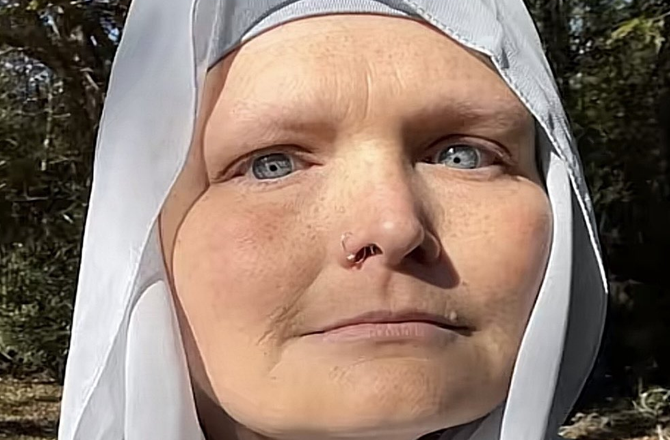
Washington: Jacey Abbott, a 42-year-old mother of three from Bay Minette, Alabama, who is battling stage 4 metastatic breast cancer, asked Muslims on the social media platform Threads whether she could wear a hijab despite not being Muslim. Her question received an overwhelming response from Muslim women around the world, who offered reassurance, styling advice, free scarves and prayers.
Abbott was diagnosed with breast cancer in 2019 and lost her hair during treatment. She found wigs uncomfortable because they caused heat, sweating and itching, while the hijab she bought felt soft and comfortable. However, she worried that wearing it as a non-Muslim might be disrespectful to Muslim women who wear it for religious reasons.
“Can I wear a hijab or is that disrespectful? I have terminal cancer and wigs get so hot and itchy,” Abbott wrote in her post. The message quickly went viral, receiving nearly 100,000 likes and thousands of replies, most of which encouraged her to wear the headscarf.
Muslim women explained that head coverings can serve religious purposes for some women, but may also be a practical or comfort choice for others. Canadian author and English teacher Suzanne Abdelhaq recommended soft jersey fabric, while others advised using a silk or satin underscarf and showed Abbott how to secure the fabric with pins.
Samiyah Intan Khoirunisah Zaily, who runs a small hijab business in Essen, Germany, offered to send Abbott free scarves. Other users offered to contribute toward shipping costs, and one person offered a video call to teach her how to style a hijab comfortably.
The support extended beyond headscarves. As Abbott’s story spread online, donations to her fundraiser increased, helping ease financial pressure related to her car repairs and the care of her three children. Abbott said the experience “turned my life completely around.”
Experts and commenters noted that the exchange highlighted an important distinction: a headscarf is not always a religious statement, and Abbott’s respectful request was met with solidarity rather than exclusion. The episode has been widely praised as an example of religious respect, mutual understanding and human compassion.