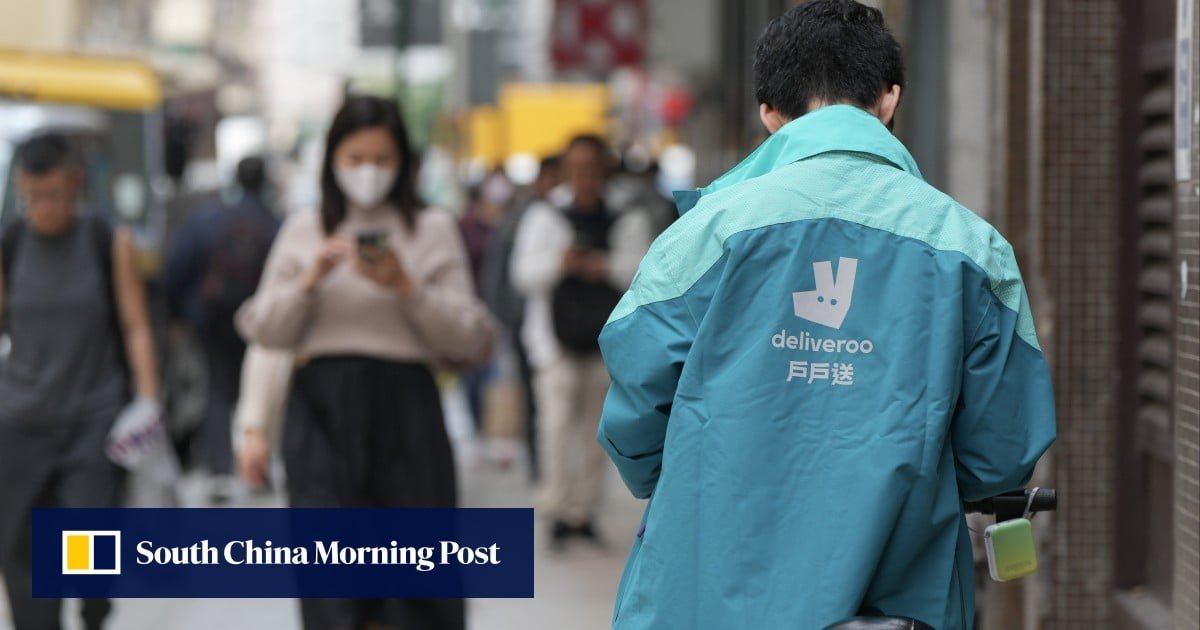
As Deliveroo leaves Singapore, spotlight turns on city states tight market
At the height of the Covid-19 pandemic, sales director Sabir Ansari relied on Deliveroo almost daily for burgers and pasta delivered to his door in Singapore. Over time, the 31-year-old said, it became harder to justify the service’s costs as rival platforms such as Grab and Foodpanda offered more food options and aggressive promotions that…
Over time, the 31-year-old said, it became harder to justify the service’s costs as rival platforms such as Grab and Foodpanda offered more food options and aggressive promotions that made “delivery fees way cheaper”.
“It was a no-brainer,” he said.
For Deliveroo, that kind of calculation among consumers became increasingly consequential.
On Wednesday, the UK-founded food delivery platform announced it would wind up operations in Singapore, following a “review of country-specific conditions” and focus on investing where it could see the “clearest path to sustainable scale and long-term leadership”.
Analysts say the move reflects the difficulty of achieving profitability in the city state’s crowded and geographically compact market, where intense price competition and overlapping coverage areas favour players with greater scale.