16th Syndicate Meeting of Faisalabad Medical University Held
By Muhammad Shahzad | LahoreLAHORE: The 16th Syndicate meeting of Faisalabad Medical University was held under the chairmanship of Punjab Health Minister Khawaja Salman Rafique, where key administrative and development matters were reviewed and approved.The meeting was attended by Vice-Chancellor Prof. Dr. Zafar Ali Chaudhry, Additional Secretary Sidra Saleem, Director Budget and Accounts Hammad ul-Rab,…
By Muhammad Shahzad | Lahore
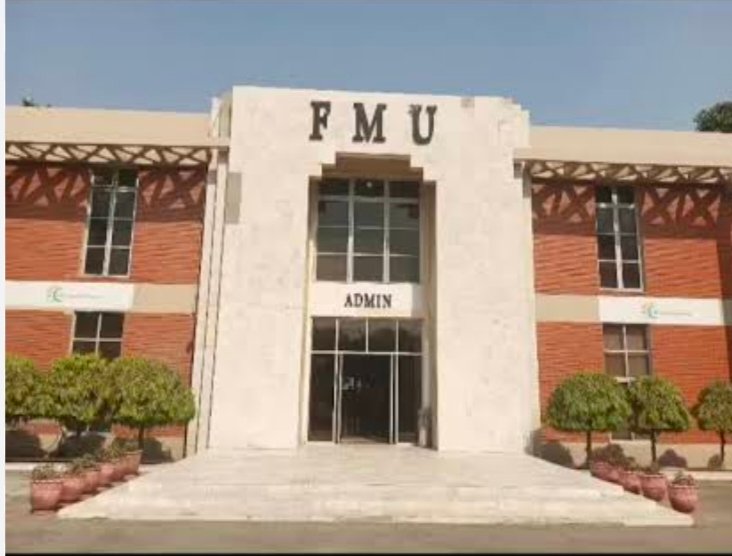
LAHORE: The 16th Syndicate meeting of Faisalabad Medical University was held under the chairmanship of Punjab Health Minister Khawaja Salman Rafique, where key administrative and development matters were reviewed and approved.
The meeting was attended by Vice-Chancellor Prof. Dr. Zafar Ali Chaudhry, Additional Secretary Sidra Saleem, Director Budget and Accounts Hammad ul-Rab, MPA Ilyas Chinioti, Medical Superintendent Dr. Faheem Ashraf, and other senior officials and philanthropists. Representatives from the Higher Education Commission Pakistan and other departments also joined via video link.
During the session, the Vice-Chancellor briefed participants on institutional affairs, while the Medical Superintendent presented updates on hospital operations. The syndicate approved the minutes of its 15th meeting and deliberated on multiple agenda items.
Key approvals included contracts for security and genitourinary services for Allied Hospital I and Allied Hospital II, as well as for Faisalabad Teaching Hospital. The purchase of laboratory kits and liquid oxygen for the university was also sanctioned.
Additionally, the syndicate approved extensions of contracts for university employees across various posts and sanctioned an increase in postgraduate seats in dermatology and medical radiological diagnostics departments.
Addressing the meeting, Khawaja Salman Rafique emphasized the need for a uniform policy to resolve issues faced by medical institutions across Punjab. He reiterated that there would be no compromise on the supply of medicines in government hospitals and directed that syndicate meetings be held regularly to address institutional challenges.
The minister also urged all medical colleges to promote quality research and stressed the importance of further improving medical education standards and healthcare services. “It is our resolve to make government hospitals, built with public funds, the best treatment centres,” he said.