US and Iran Edge Closer to Framework Agreement to End War, Progress Made in Recent Talks: US Media
WASHINGTON/ISLAMABAD, April 15, 2026 — The United States and Iran have made significant progress toward a framework agreement to end the ongoing war, with negotiators advancing discussions in talks held on Tuesday, according to US officials.Citing two US officials, Axios reported that American and Iranian negotiators moved closer to bridging key gaps. President Donald Trump’s…
WASHINGTON/ISLAMABAD, April 15, 2026 — The United States and Iran have made significant progress toward a framework agreement to end the ongoing war, with negotiators advancing discussions in talks held on Tuesday, according to US officials.
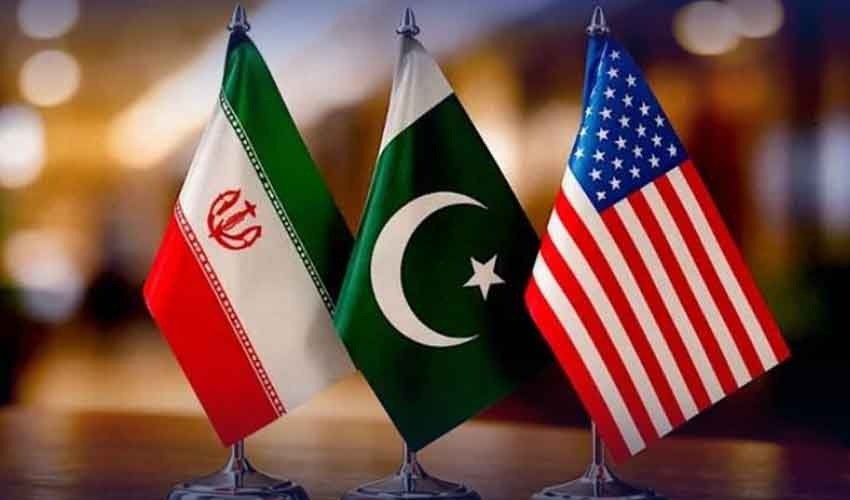
Citing two US officials, Axios reported that American and Iranian negotiators moved closer to bridging key gaps. President Donald Trump’s negotiating team — led by Vice President JD Vance, along with envoys Steve Witkoff and senior adviser Jared Kushner — continued engagement through phone calls and exchange of draft proposals with Iranian counterparts and mediators from Pakistan, Egypt, and Türkiye.
The development comes just days before the current two-week ceasefire, brokered with Pakistani mediation and set to expire on April 22. If a framework deal is reached, the ceasefire is expected to be extended to allow negotiations on a comprehensive final agreement.
However, officials cautioned that a full deal is not yet guaranteed. Significant differences remain, and broader consensus within the Iranian government will be required. One US official said: “We want to make a deal. And parts of their government want to make a deal. Now the trick is to get the whole of government over there to make the deal.”
The latest round of indirect and direct engagements follows high-stakes but inconclusive face-to-face talks in Islamabad earlier this month. Both sides have denied reaching any “in-principle” agreement so far, but diplomatic efforts continue.
This progress is being closely watched globally as it could help stabilize the Middle East, ease tensions in the Strait of Hormuz, and impact international energy markets.