Pakistan Ranked Among Top 10 Global Food Crisis Hotspots: 11 Million Face Acute Hunger, UN-Backed Report Reveals
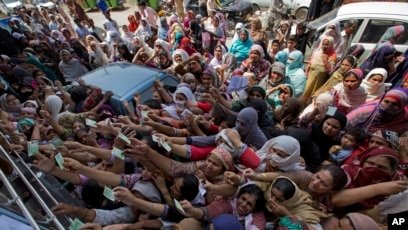
Islamabad: Pakistan is among the world’s 10 largest food crises, with approximately 11 million people experiencing acute food insecurity in 2025, according to the 2026 Global Report on Food Crises (GRFC), a multi-agency report backed by the United Nations and other humanitarian partners.504c07Of those affected, 9.3 million people are classified in “Crisis” (IPC Phase 3)…
Islamabad: Pakistan is among the world’s 10 largest food crises, with approximately 11 million people experiencing acute food insecurity in 2025, according to the 2026 Global Report on Food Crises (GRFC), a multi-agency report backed by the United Nations and other humanitarian partners.504c07
Of those affected, 9.3 million people are classified in “Crisis” (IPC Phase 3) conditions, while 1.7 million are in the more severe “Emergency” (IPC Phase 4) category — just one step away from famine on the Integrated Food Security Phase Classification (IPC) scale.
The report, released on Friday, identifies Pakistan alongside Afghanistan, Bangladesh, the Democratic Republic of the Congo, Myanmar, Nigeria, South Sudan, Sudan, Syria, and Yemen as the primary centres of acute hunger. These 10 countries together account for two-thirds of all people facing high levels of acute food insecurity globally. In 2025, a total of 266 million people across 47 countries and territories experienced acute hunger — nearly double the proportion recorded in 2016.06e93a
Persistent economic challenges, high inflation, climate extremes including floods and droughts, and macroeconomic pressures have further deepened the crisis in Pakistan, the report notes.
The GRFC 2026 warns that acute food insecurity and malnutrition remain alarmingly high and deeply entrenched, urging immediate humanitarian assistance and long-term resilience-building measures to prevent further deterioration.
This situation highlights the urgent need for coordinated national and international efforts to address food security, support vulnerable populations, and mitigate the impacts of climate change and economic instability in Pakistan.