UAE Declares Iran’s Unilateral Arrangements in Strait of Hormuz “Cannot Be Trusted”
ABU DHABI: The United Arab Emirates has taken a sharply confrontational stance toward Tehran, with a senior presidential adviser declaring that any unilateral Iranian arrangements governing the Strait of Hormuz are fundamentally untrustworthy, and accusing Iran of having committed acts of aggression against all of its neighbouring countries.The Emirati presidential adviser’s remarks represent one of…
ABU DHABI: The United Arab Emirates has taken a sharply confrontational stance toward Tehran, with a senior presidential adviser declaring that any unilateral Iranian arrangements governing the Strait of Hormuz are fundamentally untrustworthy, and accusing Iran of having committed acts of aggression against all of its neighbouring countries.
The Emirati presidential adviser’s remarks represent one of the most direct and unambiguous public condemnations of Iran by a Gulf Arab state in recent memory, reflecting the depth of mistrust that has accumulated between Tehran and its neighbours amid the current regional crisis.
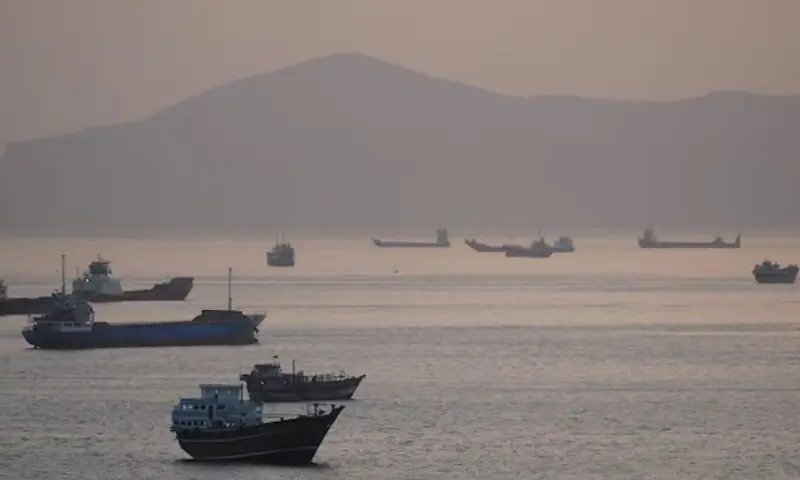
The Strait of Hormuz — a narrow waterway separating the Arabian Peninsula from Iran — is one of the world’s most strategically vital chokepoints, through which approximately 20 percent of global oil supplies transit daily. Iran’s geographical position gives it significant leverage over the strait, and Tehran has repeatedly threatened in the past to block the waterway in response to international pressure, a move that would send shockwaves through global energy markets.
The UAE’s statement signals that Gulf states will not accept any security framework for the strait that relies solely on Iranian assurances, and will instead insist on internationally guaranteed and multilaterally monitored arrangements as a prerequisite for any lasting regional stability.
The remarks also carry broader diplomatic weight, coming at a time when Abu Dhabi has quietly deepened its defense cooperation with Israel — including the reported transfer of advanced laser defense systems — underscoring a fundamental realignment of Middle Eastern security partnerships driven by a shared perception of the Iranian threat.
Analysts warn that without a credible and internationally backed agreement on freedom of navigation through the Strait of Hormuz, the waterway will remain a potential flashpoint capable of triggering a wider economic and military confrontation at any moment