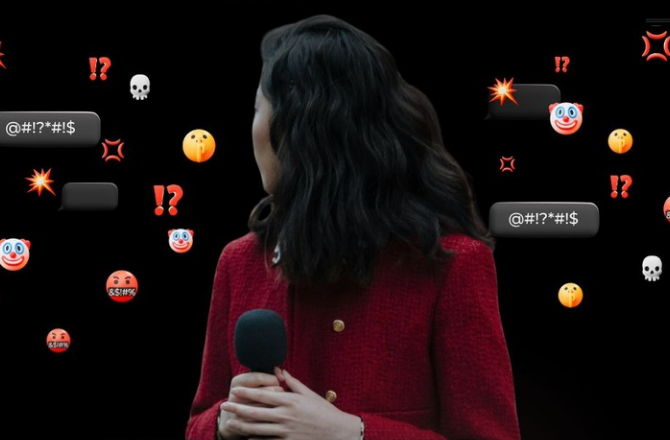
AI Tools Fuel Surge in Abuse Against Women Journalists: UN Women Report
Online violence has doubled since 2020, with deepfakes and AI-generated content making harassment more severe and damagingNew York/United Nations, May 2, 2026 — A new report by UN Women reveals a sharp rise in online violence against women journalists, exacerbated by artificial intelligence tools such as deepfakes and manipulated media. The findings, released ahead of…
Online violence has doubled since 2020, with deepfakes and AI-generated content making harassment more severe and damaging
New York/United Nations, May 2, 2026 — A new report by UN Women reveals a sharp rise in online violence against women journalists, exacerbated by artificial intelligence tools such as deepfakes and manipulated media. The findings, released ahead of World Press Freedom Day on May 3, highlight how AI is making abuse easier, more widespread, and increasingly harmful.
The report, titled “Tipping Point: Online Violence Impacts, Manifestations and Redress in the AI Age”, is based on a 2025 global survey of 641 respondents from 119 countries, including women journalists, media workers, human rights defenders, and activists.2a49ae
Key findings include:
Reports of online violence against women journalists have doubled since 2020.
12% of respondents experienced non-consensual sharing of personal or intimate images.
6% reported being targeted by AI-generated deepfakes or manipulated imagery.
One in three (approximately 27-33%) received unsolicited sexual advances online.
Nearly one in four women journalists reported anxiety or depression linked to the abuse, with some cases of PTSD.
45% of women journalists self-censor on social media (a 50% increase since 2020), while 22% self-censor in their professional work.
Kalliopi Mingerou, who leads UN Women’s efforts to end violence against women, stated: “AI is making abuse easier and more damaging, and this is fueling the erosion of hard-won rights in a context marked by democratic backsliding and networked misogyny.”
The report notes that online abuse often spills into offline harm, with 42% of women journalists reporting real-world consequences linked to digital attacks — more than double the figure from 2020. Many attacks are coordinated, anonymous, and aimed at silencing women in public life.
UN Women and partners, including TheNerve (founded by Nobel laureate Maria Ressa) and researchers from City St George’s, University of London, warn that without stronger action on platform accountability, legal frameworks, and AI governance, these trends will continue to undermine press freedom and gender equality.