Trump Vows to End Iran Conflict Soon — But Rules Out Nuclear Weapons
Washington — US President Donald Trump has announced that Washington seeks a swift end to its ongoing conflict with Iran, while drawing a firm red line against Tehran acquiring nuclear weapons. Speaking at the annual Congressional Picnic at the White House, Trump revealed that a major strike on Iran was halted at the last moment…
Washington —
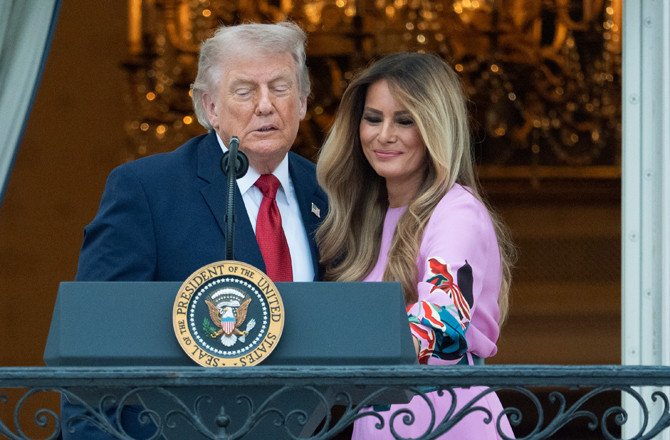
US President Donald Trump has announced that Washington seeks a swift end to its ongoing conflict with Iran, while drawing a firm red line against Tehran acquiring nuclear weapons. Speaking at the annual Congressional Picnic at the White House, Trump revealed that a major strike on Iran was halted at the last moment to preserve the possibility of a diplomatic agreement, saying he was “an hour away” from ordering a new attack before standing down.
The US-Israel military campaign against Iran, which began on February 28, 2026, has been under a fragile ceasefire since April 8. Trump gave Iran a deadline of “Friday, Saturday, Sunday, or early next week” to reach a deal, disclosing that Gulf allies — Saudi Arabia, the UAE, and Qatar — had requested the pause, citing the conflict’s mounting toll on global energy markets and oil prices.
Iran’s military spokesperson Mohammad Akrami Nia fired back, warning that any renewed US strikes would prompt Iran to open “multiple new fronts.” Deputy Foreign Minister Kazem Gharibabadi accused Trump of dressing up threats as peace overtures.
On the diplomatic front, the US has presented a five-point framework requiring Iran to limit its nuclear facilities, transfer enriched uranium to the US, and drop demands for frozen assets or war reparations. Pakistan is playing a key mediating role, with Islamabad having relayed Iran’s position to Washington — a development acknowledged by both Qatari and Iranian officials.
Meanwhile, the UAE confirmed that three armed drones that approached the Barakah Nuclear Power Plant on May 17 were launched from Iraqi territory, with officials declining to rule out Iranian involvement. Iran’s Revolutionary Guards also threatened to bring international fiber-optic cables passing through the Strait of Hormuz under an Iranian licensing regime — a move analysts warn could disrupt global communications.