A Year of Transformation at PGMI, AMC and Lahore General Hospital
By Dr. Abdul AzizGreat institutions are not defined merely by buildings of concrete, steel and brick, but by visionary leadership that fills them with purpose, discipline and excellence. Medical institutions, in particular, represent a society’s commitment to compassion, human dignity and healing. Their true strength lies not only in physical infrastructure, but also in dynamic…
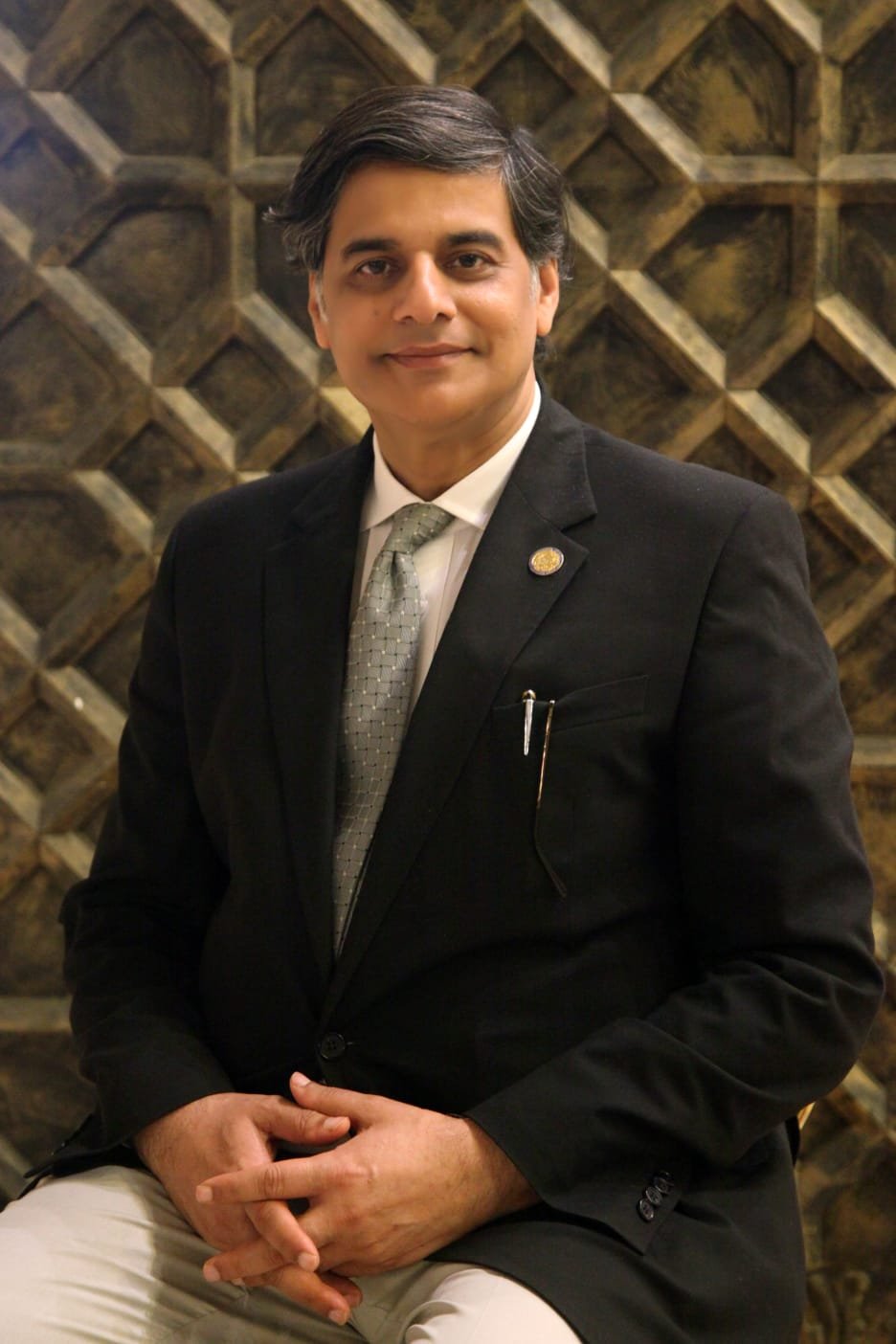
By Dr. Abdul Aziz
Great institutions are not defined merely by buildings of concrete, steel and brick, but by visionary leadership that fills them with purpose, discipline and excellence. Medical institutions, in particular, represent a society’s commitment to compassion, human dignity and healing. Their true strength lies not only in physical infrastructure, but also in dynamic and service-oriented leadership capable of transforming systems and inspiring people.
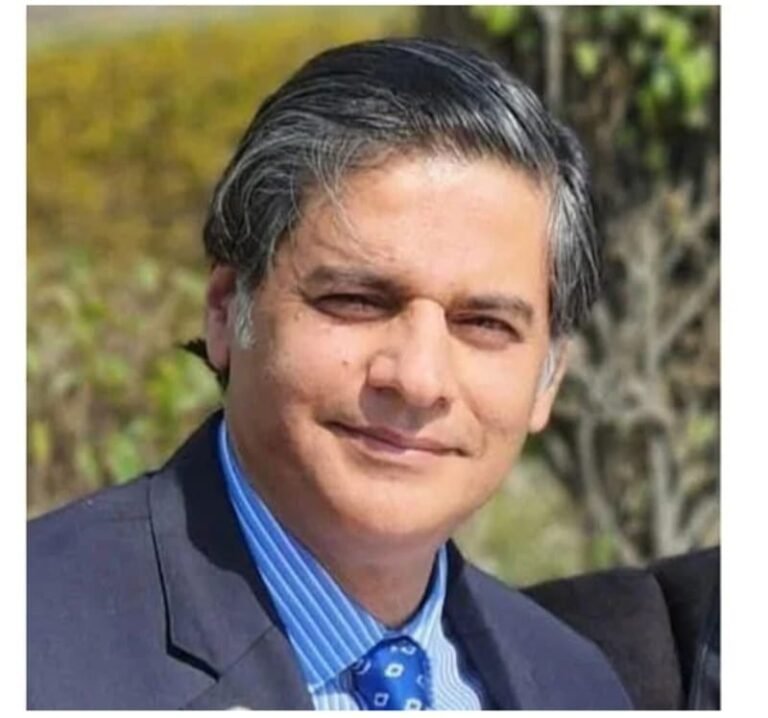
When Prof. Dr. Farooq Afzal assumed charge as Principal of Postgraduate Medical Institute (PGMI), Ameer-ud-Din Medical College (AMC) and Lahore General Hospital (LGH), he inherited institutions facing administrative stagnation, outdated systems and operational inefficiencies. Within just one year, however, he succeeded in turning these challenges into opportunities for reform, growth and modernization. The past 365 days have emerged as a remarkable period of institutional transformation.
One of the most historic achievements during this period was the successful organization of two grand convocations within a single year — an unprecedented accomplishment in the history of the institution. This milestone not only uplifted the morale of graduating doctors, but also reinforced a culture of academic excellence and professional recognition.
At the same time, the institution’s historic lecture theatres were renovated and upgraded according to international standards. In a thoughtful tribute to the golden era of Muslim scientific achievement, these theatres were named after legendary scholars Ibn Sina, Al-Razi and Al-Zahrawi, reconnecting young medical professionals with their rich intellectual and scientific heritage.
A defining feature of Dr. Farooq Afzal’s leadership has been his unwavering commitment to merit, transparency and accountability. Through the introduction of biometric attendance systems, strict monitoring mechanisms and administrative reforms, he successfully challenged long-standing inefficiencies and favoritism. These reforms created a more disciplined work culture where responsibility and performance became central values.
The impact of these changes was directly visible in patient care services. Thousands of patients visiting LGH every day began receiving medicines, diagnostic facilities and medical attention in a more organized and timely manner. The administration’s patient-centered approach significantly improved public confidence in the institution.
Healthcare facilities also witnessed major improvements. A modern Pain Management Clinic was established to provide specialized care for patients suffering from chronic pain. Clean drinking water facilities were installed through modern filtration plants for patients, attendants and staff members. The hospital environment was beautified and expanded with greenery and improved public spaces, recognizing that a peaceful environment contributes positively to healing and recovery.
The visible progress also attracted philanthropic support. Most notably, an overseas Pakistani family donated Rs35 million for the complete renovation and modernization of the Ophthalmology Department. In addition, through Pakistan Bait-ul-Mal and other welfare resources, deserving patients were provided free complex surgeries, medicines and advanced diagnostic services.
In line with the vision of Maryam Nawaz Sharif, LGH also launched Pakistan’s first dedicated Pediatric Stroke Center — a groundbreaking initiative aimed at saving countless young lives and strengthening specialized healthcare services in the province.
Perhaps the most lasting contribution of this administration lies in the field of medical education and professional development. For the first time, a structured Faculty Development Program was introduced to align teaching methods and research practices with international standards. The outdated culture of rote learning gradually gave way to mentorship, collaboration and clinical learning.
Regular Grand Clinical Lectures created opportunities for junior doctors to learn directly from experienced consultants and senior clinicians. Nursing staff and allied health professionals were also given unprecedented attention through specialized workshops, symposia and training programs aimed at improving professional skills and service quality.
Long-standing administrative issues related to hostels, duty schedules and staff welfare were addressed with seriousness and efficiency. These measures greatly improved morale among healthcare workers and created a stronger sense of institutional ownership and teamwork.
What truly distinguishes Dr. Farooq Afzal’s leadership is not only administrative success, but also his humility, optimism and belief in collective progress. He fostered an atmosphere of harmony among doctors, nurses, paramedical staff and administrators, replacing hopelessness with confidence and inactivity with professional dedication.
In just one year, PGMI, AMC and LGH have witnessed a transformation that many considered impossible. If this momentum, vision and commitment continue, these institutions are well positioned to become symbols of medical excellence, innovation and compassionate healthcare — not only for Punjab, but for Pakistan as a whole.