Solarisation, Clean Energy Investment Emerging Pillars of Pakistan-China Collaboration
By Muhammad Shahzad | Lahore, PakistanLAHORE: Adeel Munawar, Commercial Ambassador of the Pakistan China Joint Chamber of Commerce and Industry, has said that Pakistan-China cooperation is evolving beyond infrastructure development toward industrialization, technological advancement, green energy, and sustainable economic growth.He stated that while the first phase of the China-Pakistan Economic Corridor successfully addressed key infrastructure…
By Muhammad Shahzad | Lahore, Pakistan
LAHORE: Adeel Munawar, Commercial Ambassador of the Pakistan China Joint Chamber of Commerce and Industry, has said that Pakistan-China cooperation is evolving beyond infrastructure development toward industrialization, technological advancement, green energy, and sustainable economic growth.
He stated that while the first phase of the China-Pakistan Economic Corridor successfully addressed key infrastructure and energy challenges, CPEC 2.0 offers unprecedented opportunities to unlock Pakistan’s economic potential through innovation-driven collaboration.
Adeel Munawar noted that the completion of major transport networks, power generation projects, and developments related to Gwadar Port has established a strong foundation for economic transformation. He added that the next phase of cooperation is focused on Special Economic Zones (SEZs), industrial relocation, agricultural modernization, information technology, renewable energy, and business-to-business partnerships.
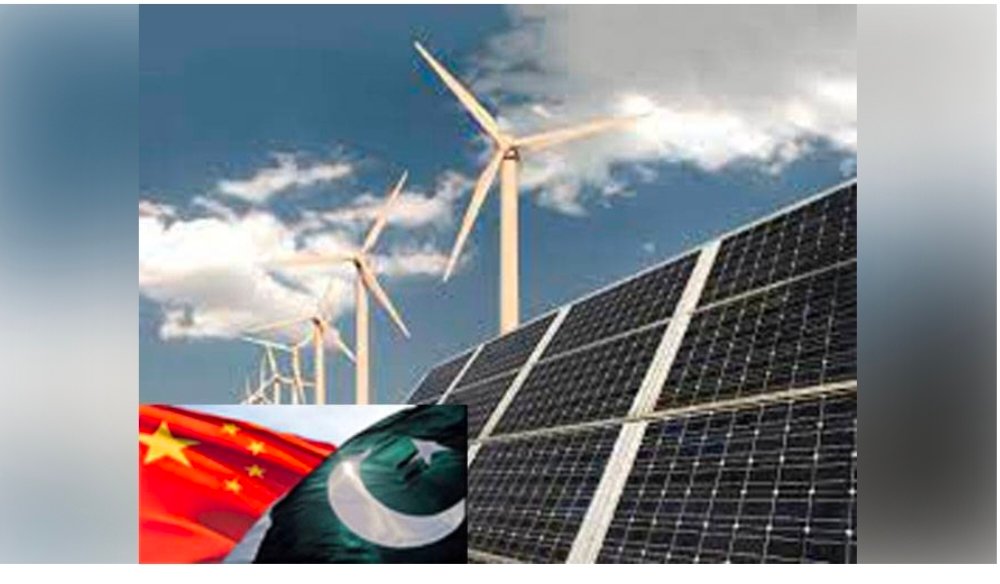
He emphasized that green development has emerged as a central pillar of CPEC 2.0. According to him, China’s achievements in renewable energy, electric mobility, and green manufacturing present valuable opportunities for Pakistan to accelerate its transition toward a sustainable economy. He observed that China remains a global leader in solar and wind energy deployment, technological innovation, and clean energy investment, making it an ideal partner for Pakistan’s green development agenda.
Adeel Munawar pointed out that Pakistan possesses significant untapped potential in solar and wind energy, particularly in the provinces of Sindh and Balochistan. Through strategic cooperation under CPEC 2.0, he said, Chinese investment and technology can support the development of large-scale renewable energy projects, strengthen transmission infrastructure, and reduce dependence on imported fossil fuels.
The Commercial Ambassador further stated that growing collaboration between Pakistani and Chinese enterprises in green transportation reflects the expanding scope of bilateral cooperation. Initiatives including solar-powered electric bikes, electric vehicle assembly, battery manufacturing, and clean mobility solutions are creating new opportunities for sustainable urban transport while supporting Pakistan’s climate goals.
He also welcomed the increasing interest of Chinese companies in Pakistan’s agriculture, mining, healthcare, information technology, and manufacturing sectors. He noted that with the implementation of Special Economic Zones and improved policy facilitation, Pakistan is becoming an increasingly attractive destination for industrial investment and technology transfer.
Adeel Munawar stressed that industrial cooperation under CPEC 2.0 can contribute significantly to export growth, employment generation, and value-added manufacturing. He added that recent engagements between Chinese investors and provincial governments indicate growing confidence in Pakistan’s economic outlook.
Highlighting future prospects, he underscored opportunities in agricultural modernization, mineral processing, food security, and smart farming, where Chinese expertise can help improve productivity and strengthen Pakistan’s competitiveness in regional markets.
“CPEC 2.0 is no longer confined to roads and power plants; it is a comprehensive framework for economic diversification, innovation, and sustainable development. The focus must now be on creating industrial ecosystems, promoting joint ventures, facilitating technology transfer, and empowering the private sector to drive economic growth,” he said.