Trump Claims Talks With Iran Have Begun, Tehran Denies It
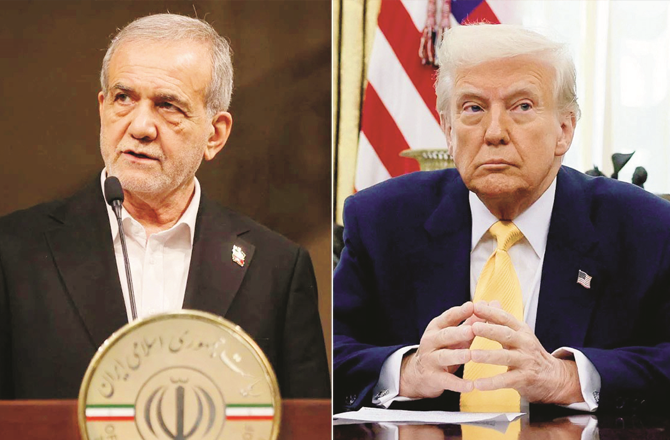
WASHINGTON/TEHRAN — US President Donald Trump once again announced late Sunday into Monday that talks with Iran were resuming, but Iranian Foreign Ministry spokesman Esmaeil Baghaei denied the claim on Monday, saying his country is not currently holding any negotiations with the United States.Trump said the US wants to reach two separate agreements with Iran…
WASHINGTON/TEHRAN — US President Donald Trump once again announced late Sunday into Monday that talks with Iran were resuming, but Iranian Foreign Ministry spokesman Esmaeil Baghaei denied the claim on Monday, saying his country is not currently holding any negotiations with the United States.
Trump said the US wants to reach two separate agreements with Iran — one concerning the Strait of Hormuz, and the other concerning the dismantling of Iran’s nuclear program. Speaking to reporters aboard Air Force One on his way back to the White House, he said the US was discussing the framework for talks with Iran, which he said would begin Monday evening. He added that the US retains full capability to act whenever it chooses.
Trump also revealed that the US had been planning what would have been the largest strike on Iran since World War II: “I would much rather make a deal with Iran than carry out a military strike against it. We intended to launch a full-scale attack on Iran, but Saudi Crown Prince Mohammed bin Salman advised prioritizing negotiations to de-escalate tensions.” He said he approved postponing the strike after several regional countries — Saudi Arabia, Qatar, and the UAE — requested that the attack be delayed.
Tehran’s Denial: “No Talks Are Taking Place”
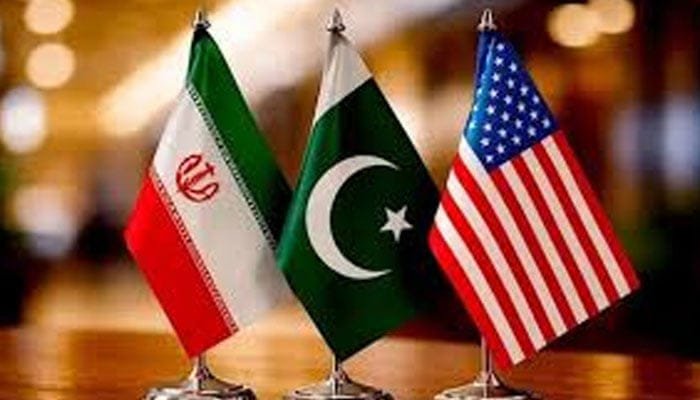
Iranian Foreign Ministry spokesman Esmaeil Baghaei denied Trump’s claim, saying Iran is not currently engaged in any negotiations with the United States, though talks with Oman continue over establishing a temporary safe corridor through the Strait of Hormuz. According to Baghaei, these talks are strictly bilateral, between Iran and Oman, and even reaching an agreement with Oman would not be sufficient to reopen the Strait of Hormuz, since as long as American aggression continues, the current situation will persist.
He made clear that the Strait of Hormuz was not closed due to any dispute between Iran and Oman, but because of US and Israeli military actions since February this year. Asked about the resumption of talks with the US, Baghaei said there are no plans to host any American delegation in the coming days, nor is Iran planning to send a delegation to any other country. He said Pakistan is mediating between Iran and the US, and that no new mediator — including China — has been brought in, though Qatar provides assistance when needed.
US Military Remains on High Alert
According to the US news agency AP, sources say the talks announced by Trump will focus mainly on restoring maritime traffic through the Strait of Hormuz and lifting US sanctions on Iranian ports. Also expected to be discussed are halting all attacks in the region and resuming Iranian oil exports without obstruction. The report said Middle Eastern countries acting as mediators intend to further expand their contacts with Washington and Tehran in the coming days, and that both sides may return to the core points of the memorandum of understanding signed on June 18.
US Secretary of War Pete Hegseth endorsed Trump’s statements on Monday, saying the US military remains on high alert and ready for any action, while Iran says it takes every threat from its adversary seriously.
“The Enemy Must Be Held to Its Commitments”: Iranian President
Iranian President Masoud Pezeshkian said the memorandum that was signed is the result of the collective wisdom of the Supreme Council and will form the basis of Iran’s future foreign policy. He said ensuring implementation of the memorandum requires holding the enemy to its commitments, adding that it would further strengthen the security of Iran, the region, and its allies.