Iran-US Deal Expected to Be Signed in Geneva, to Be Called the “Islamabad Agreement”
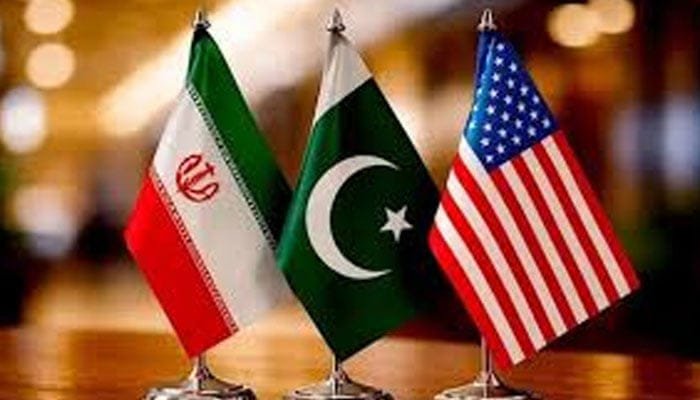
Karachi The proposed Iran-US agreement is expected to be signed in Geneva and will be called the “Islamabad Agreement” due to joint mediation by Qatar and Pakistan. Under the deal, both sides have agreed to immediately reopen the Strait of Hormuz and end the US blockade. Iran is expected to receive conditional sanctions relief and…
Karachi The proposed Iran-US agreement is expected to be signed in Geneva and will be called the “Islamabad Agreement” due to joint mediation by Qatar and Pakistan. Under the deal, both sides have agreed to immediately reopen the Strait of Hormuz and end the US blockade. Iran is expected to receive conditional sanctions relief and permission to sell oil, while the 60-day ceasefire will be extended to include Lebanon. Preparations are underway for US Vice President JD Vance’s possible attendance at the Geneva signing, and according to Arab media, Ishaq Dar will also travel to Geneva.
A White House official claimed Iran has agreed to the conditional deal. According to the memorandum of understanding expected to be signed soon by President Trump, the Strait of Hormuz will be reopened immediately without any toll tax, while Iran will receive phased sanctions relief in exchange for compliance. US media reports that during the extended truce, negotiations on Iran’s nuclear program will take place, and the text includes a framework for dealing with Iran’s enriched uranium stockpile, though practical steps on the nuclear program will be contingent on a second, more detailed agreement.
According to the report, the US and Iran have agreed on the text of the deal, though final approval is still pending. By Thursday evening, the agreement had reportedly been approved at a senior level in Iran, but it is possible the Supreme Leader has not yet ratified it. President Trump said he expects a signing ceremony during the weekend, while an Iranian foreign ministry spokesperson said Tehran has not yet made a final decision. Over the past two months, the White House had repeatedly believed a deal was close, only for talks to collapse, but this time a diplomat expressed hope that the draft would hold.
On Thursday, four US Air Force C-17 aircraft departed for Europe, reportedly to transport equipment for Vice President JD Vance’s possible attendance at the Geneva signing ceremony. According to diplomats from two mediating countries and two US officials, the preliminary agreement was reached after hours of negotiations on Wednesday night. Trump’s announcement that the deal was finalized reportedly surprised Israeli Prime Minister Netanyahu, who, according to US sources, had been kept out of the loop in recent days and had been reaching out to contacts close to the Trump administration for information.
Under the memorandum, Iran will make several key commitments regarding its nuclear program, most notably that it will never acquire nuclear weapons and will resolve the dispute over its enriched uranium stockpile. According to a senior US official, one option being considered is for Iran to convert its highly enriched uranium to a lower enrichment level domestically, under the supervision of UN inspectors. However, practical steps on the nuclear program will only proceed once a second, more detailed agreement is reached — an uncertain prospect, given that even negotiations on the preliminary deal have been difficult. A diplomat said the memorandum spells out all nuclear-related issues in detail and meets all US demands.