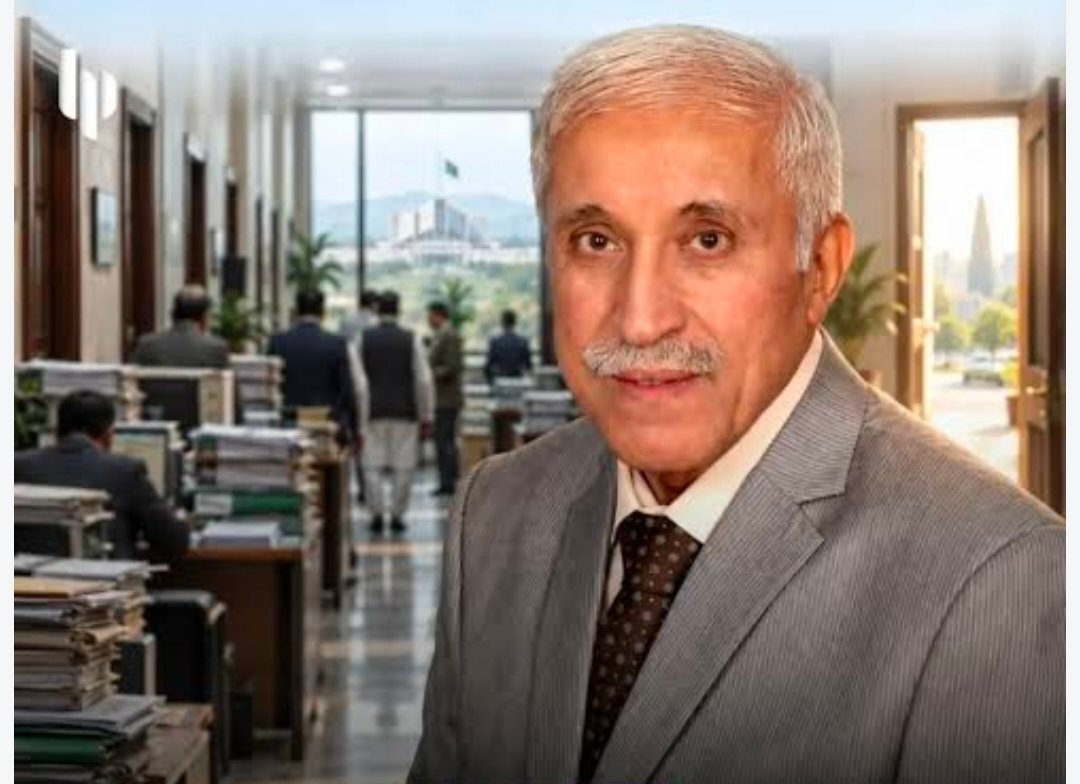
Need to Accelerate Pakistan’s Economic Growth Through Increased Investment: Qaiser
Highlights Karachi’s Economic Role By Muhammad ShahzadLahore, Pakistan KARACHI: Federal Minister for Board of Investment Qaiser Ahmed Sheikh has stressed the need to accelerate Pakistan’s economic growth through increased investment, export expansion, industrial development and regulatory reforms, while highlighting Karachi’s central role as the country’s economic hub. Addressing a press conference at the Karachi Press…
Highlights Karachi’s Economic Role
By Muhammad Shahzad
Lahore, Pakistan
KARACHI: Federal Minister for Board of Investment Qaiser Ahmed Sheikh has stressed the need to accelerate Pakistan’s economic growth through increased investment, export expansion, industrial development and regulatory reforms, while highlighting Karachi’s central role as the country’s economic hub.
Addressing a press conference at the Karachi Press Club, the Federal Minister said Karachi remained a major centre of Pakistan’s economic activity and its contribution to the national economy warranted greater recognition.
Qaiser Ahmed Sheikh recalled that he had served as President of the Karachi Chamber of Commerce and Industry in 1987, saying his previous association with the business community had given him a longstanding understanding of the issues and challenges facing Karachi.
According to figures cited by the minister, Karachi contributes around 60 percent of the country’s revenue. He said the city should be accorded political importance commensurate with its economic contribution.
The Federal Minister said Pakistan’s economic progress required sustained attention to investment, industrial development and exports. He noted that countries around the world had achieved economic development by strengthening their export sectors and stressed that Pakistan must similarly expand its export base to achieve sustainable growth and generate employment.
He said increasing exports, promoting investment and facilitating businesses were essential for expanding economic activity and improving livelihoods. He emphasized the need to create an environment in which investors and businesses could operate efficiently and contribute to national development.
Qaiser Ahmed Sheikh also highlighted the importance of translating Pakistan’s diplomatic outreach into concrete economic opportunities. He said the diplomatic efforts of Field Marshal Syed Asim Munir and Prime Minister Shehbaz Sharif were receiving international attention and should be complemented by stronger economic engagement aimed at attracting investment, expanding exports and creating employment opportunities.
Referring to Pakistan’s broader national position, the minister said that following the achievements of the armed forces, the economic sector must play its role in strengthening the country’s economic standing. He stressed that investment, economic development and export growth should remain central to Pakistan’s national development agenda.
Regarding Pakistan’s international economic engagement, Qaiser Ahmed Sheikh said the World Economic Forum had invited the Pakistani delegation during the United Nations General Assembly session. He said a meeting with the World Economic Forum was scheduled for September 23, where Pakistan’s economic development, investment potential and opportunities for enhanced international economic cooperation would be discussed.
“The purpose of our engagement is to discuss Pakistan’s economic development at the World Economic Forum Sustainable Development Impact Meetings and present the opportunities available in Pakistan,” the minister said.
The Federal Minister said the Board of Investment was working with relevant institutions to reduce unnecessary regulations and address regulatory impediments affecting businesses and investment.
He said coordinated efforts were being made to simplify the regulatory environment and facilitate business activity, adding that an investor-friendly framework was essential for attracting both domestic and foreign investment.
Qaiser Ahmed Sheikh said the Board of Investment would continue working with relevant institutions to identify unnecessary regulatory requirements and improve the ease of doing business in Pakistan.
Discussing the regional economic and security environment, the minister referred to defence expenditure in India and Pakistan. He stated that India’s defence budget stood at approximately US$85 billion, while Pakistan’s defence budget had increased to around US$10.5 billion during the current fiscal year.
The minister said Pakistan faced significant economic and social challenges and that, according to the figures he cited, around 120 million people had fallen below the poverty line. He said the situation underscored the need to increase economic activity, investment, exports and employment opportunities.
He emphasized that Pakistan’s economic challenges required a collective and sustained national effort, with greater focus on productive sectors of the economy. Investment and export growth, he added, could help create employment and expand economic opportunities for the population.
The Federal Minister also spoke about his tenure in public office, stating that he had not drawn a salary from his ministerial position for the past two and a half years. He further stated that he had paid taxes amounting to tens of millions of rupees during the period.
Qaiser Ahmed Sheikh reiterated that Pakistan’s economic agenda should focus on investment facilitation, export expansion, industrial growth, employment generation and regulatory simplification.
He said Pakistan’s diplomatic outreach had created opportunities for stronger international engagement and that these opportunities needed to be translated into tangible economic outcomes through investment, export expansion and enhanced cooperation with international partners.
The Federal Minister concluded that his international engagement, including participation in the World Economic Forum Sustainable Development Impact Meetings on September 23, would focus on presenting Pakistan’s economic potential, promoting investment opportunities and strengthening international cooperation for sustainable economic development.