Google to Launch AI Chips Into Space Next Week, Testing Orbital Data Center Concept
MOUNTAIN VIEW — Google will launch an experimental satellite carrying four of its Tensor Processing Units (TPUs) into orbit on October 1, 2026, as part of its “Project Suncatcher” initiative. The satellite will ride aboard a SpaceX Falcon 9 rocket under the Transporter-18 rideshare mission into low Earth orbit.Built in partnership with Planet Labs, the…
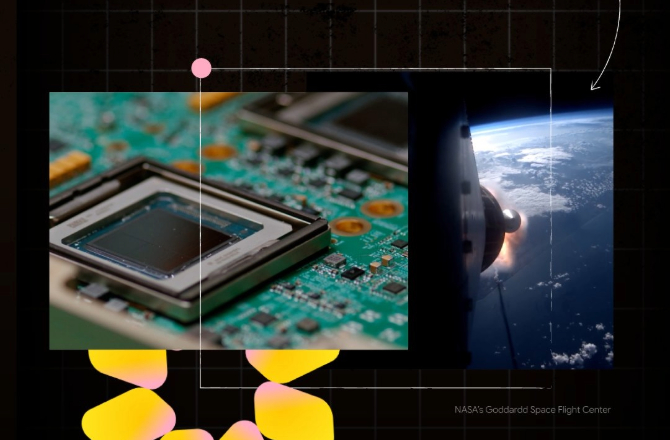
MOUNTAIN VIEW — Google will launch an experimental satellite carrying four of its Tensor Processing Units (TPUs) into orbit on October 1, 2026, as part of its “Project Suncatcher” initiative. The satellite will ride aboard a SpaceX Falcon 9 rocket under the Transporter-18 rideshare mission into low Earth orbit.
Built in partnership with Planet Labs, the “MVP” satellite is not meant to be a functioning space data center but an early test of whether AI chips can operate reliably in the harsh radiation and thermal environment of space. Due to limited heat-dissipation capacity, the TPUs will initially run in roughly 15-minute bursts before needing to cool down.
Google’s long-term vision involves a network of solar-powered satellites linked by high-bandwidth laser communication, working together to handle large AI workloads using near-constant solar energy in orbit. The company plans to launch two more satellites in 2027 to test inter-satellite laser links.
Experts have flagged challenges including launch costs, radiation shielding, and the infrastructure needed at scale. Google isn’t alone in this pursuit — SpaceX and Starcloud are also exploring orbital computing infrastructure. Google itself has cautioned that turning the concept into a viable commercial product could still take years.