World Bank warns of food crisis as climate shocks and conflicts disrupt supply
WASHINGTON — The World Bank has warned that global food prices could rise about 10 percent in 2026 and a further 7 percent in 2027, a cumulative increase of nearly 18 percent, as conflicts, extreme weather and high input costs strain food supplies.The bank’s latest Commodity Markets Outlook said disrupted grain shipments through the Black…
WASHINGTON — The World Bank has warned that global food prices could rise about 10 percent in 2026 and a further 7 percent in 2027, a cumulative increase of nearly 18 percent, as conflicts, extreme weather and high input costs strain food supplies.
The bank’s latest Commodity Markets Outlook said disrupted grain shipments through the Black Sea, a very strong El Niño and elevated fuel and fertilizer prices are threatening harvests and food affordability. El Niño is expected to increase the risk of droughts, floods and extreme heat across several regions.
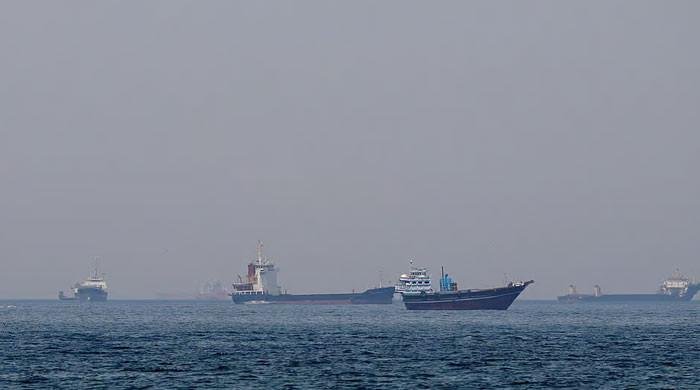
Overall commodity prices are forecast to rise 23 percent in 2026, while energy prices are projected to climb 32 percent and reach a four-year high. The World Bank said the Middle East conflict has reduced oil inventories and disrupted shipments through the Strait of Hormuz.
It cautioned that a further escalation in the Middle East, intensified attacks on Black Sea grain shipments, or an exceptionally severe El Niño could push food prices 12 percent above the baseline forecast and trigger a broader food crisis.
World Bank Deputy Chief Economist Ayhan Kose said commodity markets are being hit by several major shocks at once, threatening higher inflation, worsening food insecurity and weaker economic growth. He urged priority support for the poorest people and low-income countries already burdened by debt.