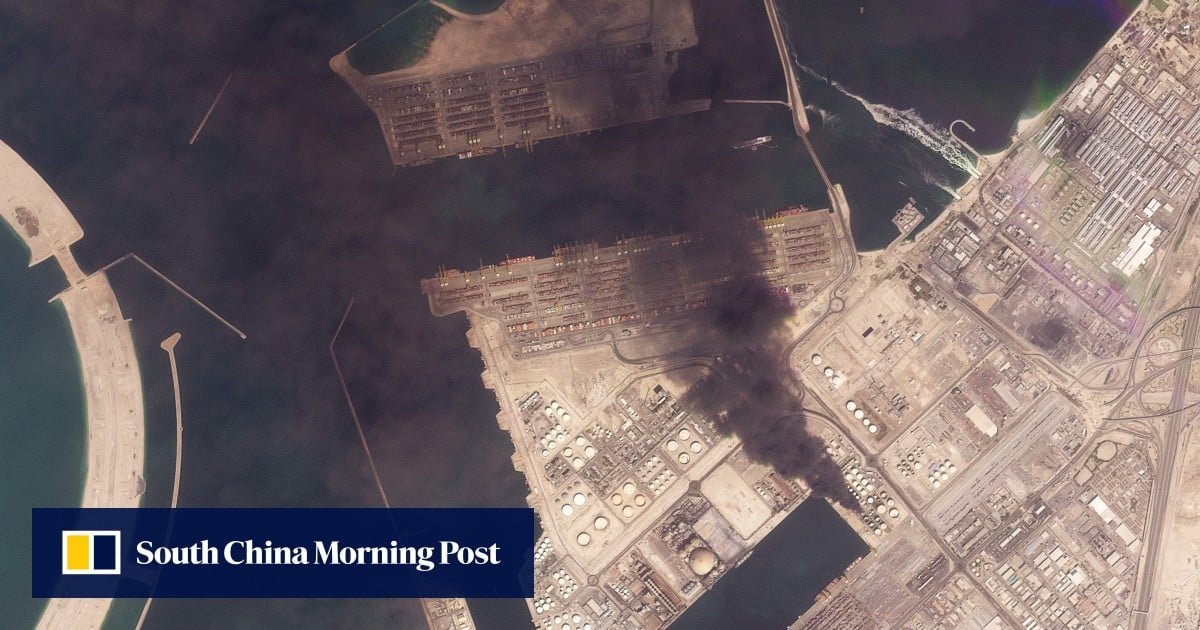
Iran strikes on desalination plants threaten Arab states water supplies
As missiles and drones curtail energy production across the Persian Gulf, analysts warn that water, not oil, may be the resource most at risk in the energy-rich but arid region. On Sunday, Bahrain accused Iran of damaging one of its desalination plants. Earlier, Iran said a US air strike had damaged an Iranian plant. Hundreds…
As missiles and drones curtail energy production across the Persian Gulf, analysts warn that water, not oil, may be the resource most at risk in the energy-rich but arid region.
On Sunday, Bahrain accused Iran of damaging one of its desalination plants. Earlier, Iran said a US air strike had damaged an Iranian plant.
Hundreds of desalination plants sit along the Persian Gulf coast, putting individual systems that supply water to millions within range of Iranian missile or drone strikes. Without them, major cities could not sustain their current populations.
In Kuwait, about 90 per cent of drinking water comes from desalination, along with roughly 86 per cent in Oman and about 70 per cent in Saudi Arabia. The technology removes salt from seawater – most commonly by pushing it through ultrafine membranes in a process known as reverse osmosis – to produce the freshwater that sustains cities, hotels, industry and some agriculture across one of the world’s driest regions.
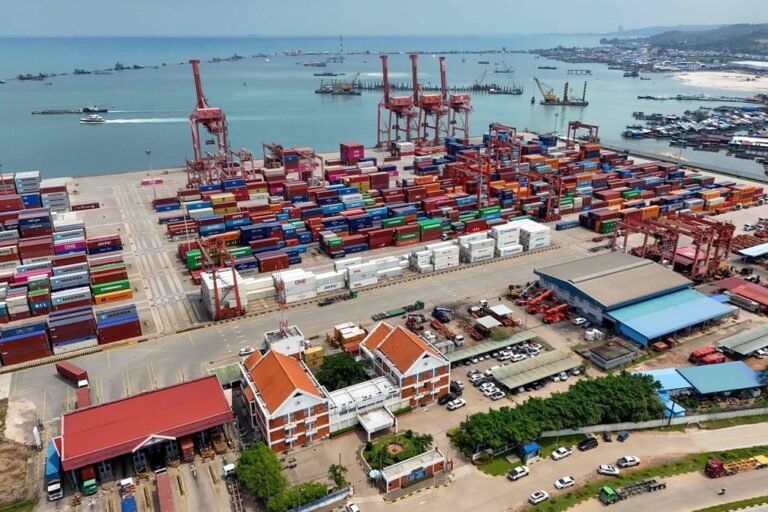
For people living outside the Middle East, the main concern of the Iran war has been the impact on energy prices. The Gulf produces about a third of the world’s crude exports and energy revenues underpin national economies. Fighting has already halted tanker traffic through key shipping routes and disrupted port activity, forcing some producers to curb exports as storage tanks fill.
But the infrastructure that keeps Gulf cities supplied with drinking water may be equally vulnerable.
“Everyone thinks of Saudi Arabia and their neighbours as petrostates. But I call them saltwater kingdoms. They’re human-made fossil-fuelled water superpowers,” said Michael Christopher Low, director of the Middle East Centre at the University of Utah. “It’s both a monumental achievement of the 20th century and a certain kind of vulnerability.”