If the Iran war takes oil above US$120 a barrel, how bad could the shock get?
With the US-Israel war on Iran entering its third week, the world faces the risk of a more severe oil shock as military strikes expand to major energy infrastructure, heightening fears of a prolonged conflict. In this explainer, the South China Morning Post examines the latest developments and factors driving oil price volatility and assesses…
In this explainer, the South China Morning Post examines the latest developments and factors driving oil price volatility and assesses the potential impact on the global economy.
Energy infrastructure: what is the latest?
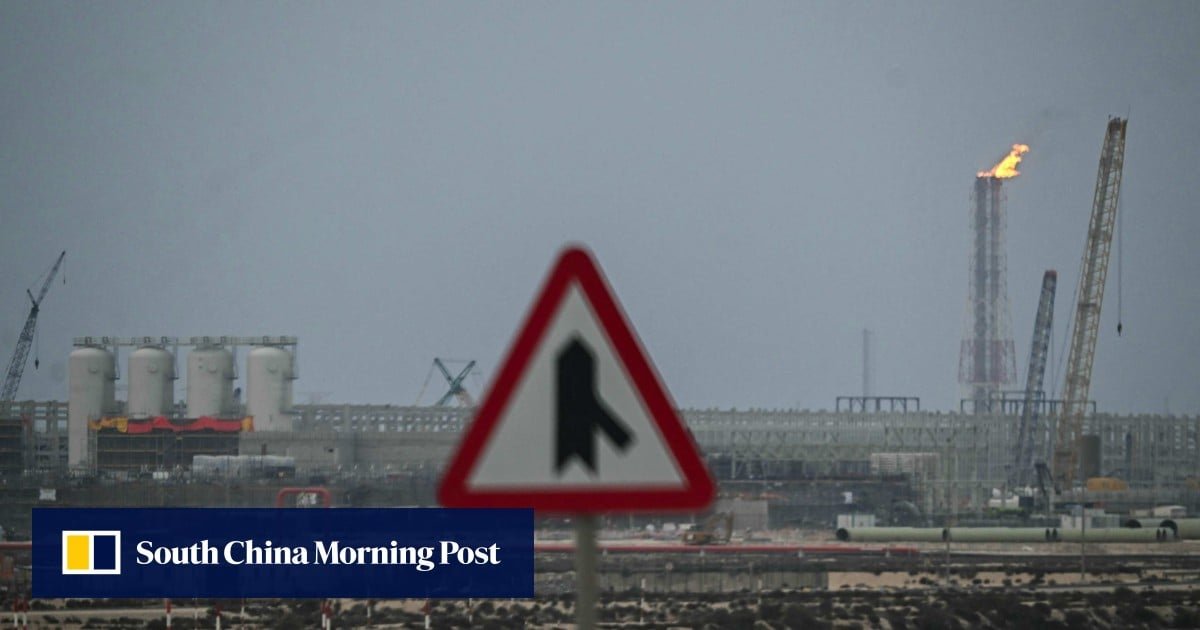
In retaliation, Tehran struck the world’s largest liquefied natural gas facility in Qatar with a ballistic missile and threatened vital energy infrastructure in Saudi Arabia and the United Arab Emirates.
International oil prices surged on the news, with the value of benchmark Brent futures moving between US$113 and US$115 as of press time on Thursday after a previous close of US$107.38.
US Vice-President J.D. Vance warned on Wednesday that consumers face a “rough road ahead” as global oil prices soar.