Ahmed Al Maghribi Perfumes: How a Saudi Fragrance House Is Reframing Arabian Luxury for a Global Audience
Ahmed Al Maghribi Perfumes represents a growing wave of Middle Eastern fragrance houses that are confidently stepping beyond regional borders while remaining deeply anchored in cultural tradition. Rooted in the Gulf’s centuries-old relationship with scent, the brand has positioned itself as a modern interpreter of Arabian perfumery rather than a nostalgic replica of it. In…
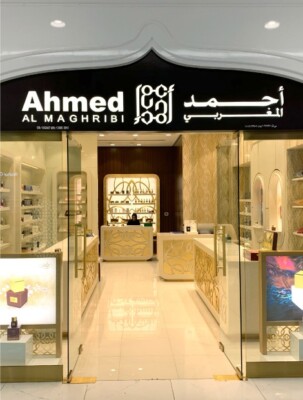
Ahmed Al Maghribi Perfumes represents a growing wave of Middle Eastern fragrance houses that are confidently stepping beyond regional borders while remaining deeply anchored in cultural tradition. Rooted in the Gulf’s centuries-old relationship with scent, the brand has positioned itself as a modern interpreter of Arabian perfumery rather than a nostalgic replica of it. In a region where fragrance is inseparable from hospitality, identity, and daily ritual, Ahmed Al Maghribi has managed to translate these values into products that feel both familiar and contemporary.
The company’s identity is shaped by a clear respect for traditional ingredients such as oud, musk, amber, and rose, yet its compositions are designed to be wearable in modern urban life. This balance is central to its appeal. Rather than producing overpowering, ceremonial-only perfumes, the brand focuses on fragrances that can transition seamlessly from daily use to social occasions. Alcohol-free options, attars, and lighter sprays reflect an understanding of religious sensitivity, climate, and lifestyle, particularly within Saudi Arabia and the wider Gulf.

From a Saudi perspective, the brand’s association with Madinah gives it a symbolic depth that resonates strongly with local consumers. This is not merely a commercial detail; it reinforces the perception of authenticity and trust. For many customers, buying a perfume is not just about scent performance, but about lineage, values, and emotional connection. Ahmed Al Maghribi’s marketing language consistently leans into these themes, presenting fragrance as an extension of personal dignity and cultural refinement rather than a passing fashion trend.

One of the brand’s notable strengths lies in its storytelling around individual fragrances. Scents such as Kaaf have gained attention for their approachable yet refined character—fresh openings, soft florals, and musky or woody bases that sit comfortably on the skin in warm climates. These are perfumes designed to be noticed without overwhelming, a quality that aligns well with both professional and social environments. This approach has helped the brand attract a younger audience while retaining the loyalty of traditional perfume users.
Commercially, Ahmed Al Maghribi reflects the broader ambition of Gulf luxury brands aiming for international relevance. With structured retail presentation, consistent packaging aesthetics, and a growing presence beyond Saudi Arabia, the company signals long-term vision rather than short-term trend chasing. Its expansion strategy appears rooted in steady brand building: cultivating recognition through quality, repeat customers, and word-of-mouth rather than relying solely on celebrity endorsements or aggressive hype cycles.

For European readers of Voice of Germany, Ahmed Al Maghribi Perfumes offers an instructive case study in how Middle Eastern brands are redefining luxury on their own terms. Instead of imitating Western perfume houses, the brand confidently exports its cultural logic—where fragrance is personal, layered, and ritualistic—into global markets. In doing so, it contributes to a broader shift: the normalization of Arabian perfumery as a serious, sophisticated segment of the international fragrance industry, not merely an exotic niche.
As Gulf economies diversify and cultural industries gain prominence, brands like Ahmed Al Maghribi are likely to play an increasingly visible role. They reflect a region that is no longer just consuming global luxury, but producing it—rooted in heritage, shaped by faith and climate, and refined for a global audience that is becoming more curious about authenticity than ever before.