Pak–US exports could reach $10bn with diversification, facilitation reforms: LCCI President
By Farzana Chaudhry | Lahore, PakistanLAHORE: Pakistan’s exports to the United States could be expanded to $10 billion from the current $6 billion by leveraging the US tariff structure, diversifying beyond traditional sectors, and improving facilitation mechanisms, said Lahore Chamber of Commerce and Industry (LCCI) President Faheem ur Rehman Saigol.He was speaking during a meeting…
By Farzana Chaudhry | Lahore, Pakistan
LAHORE: Pakistan’s exports to the United States could be expanded to $10 billion from the current $6 billion by leveraging the US tariff structure, diversifying beyond traditional sectors, and improving facilitation mechanisms, said Lahore Chamber of Commerce and Industry (LCCI) President Faheem ur Rehman Saigol.
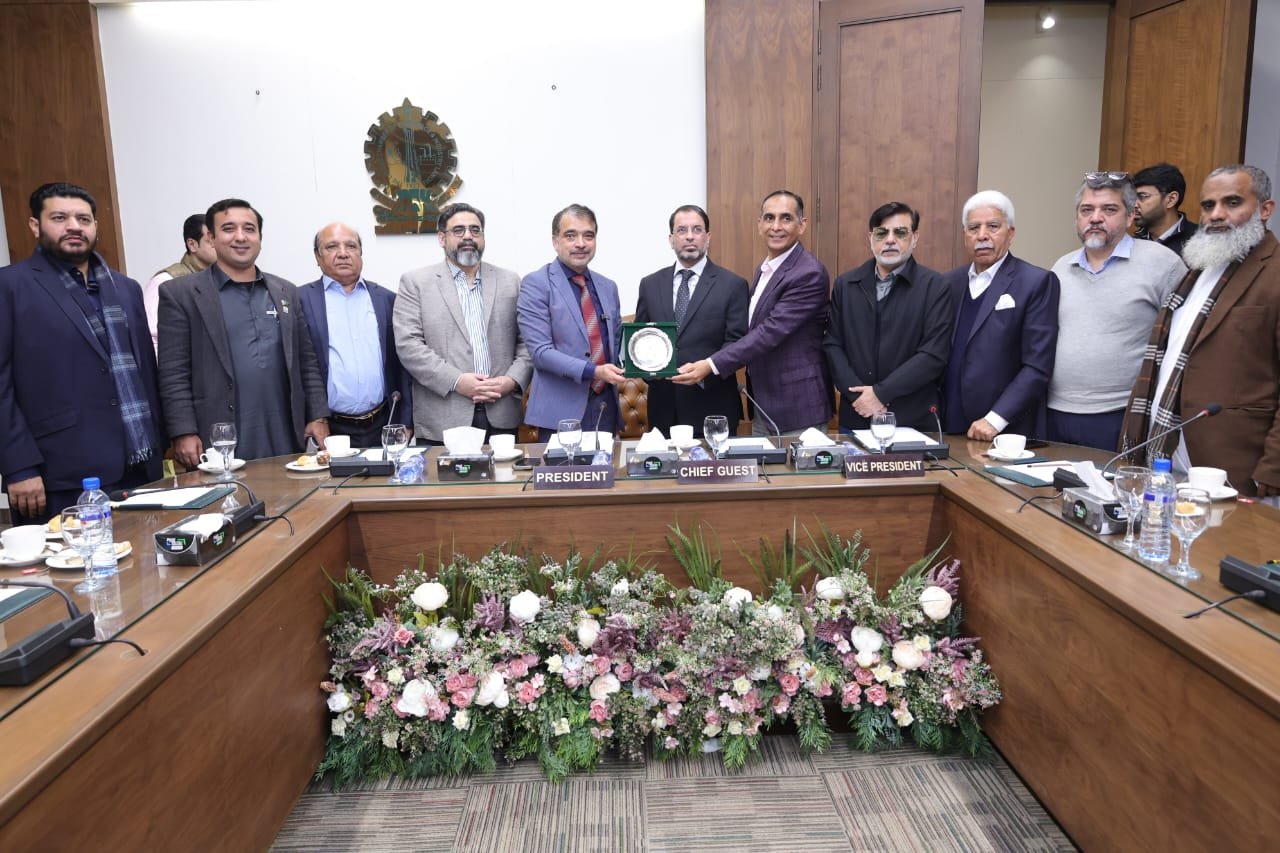
He was speaking during a meeting at LCCI with a high-level delegation of the Pakistan American Chicagoland Chamber of Commerce, led by its President Naveed Anwar. LCCI Vice President Khurram Lodhi, executive committee members, and representatives from the visiting delegation were present.
Saigol noted that while garments dominate Pakistan’s exports, future growth depends on expanding into IT, minerals, agriculture, pharmaceuticals, and other emerging sectors, aligning with government priorities and the Special Investment Facilitation Council (SIFC). He emphasized the role of the Pakistani diaspora in the US, calling for stronger coordination with joint chambers to tap business networks and expertise.
He also highlighted the potential of exporting skilled human resources, which could boost both exports and remittances. According to Saigol, remittances have risen sharply this year and are projected to reach $42 billion, underscoring the need for a comprehensive skills-export strategy.
Addressing the meeting, Naveed Anwar said Pakistani entrepreneurs in the US are keen to support Pakistan’s economic stability. He pointed to opportunities in pharmaceutical exports following tariff changes affecting India, but acknowledged that FDA compliance, regulatory bottlenecks, and quality standards remain major challenges for Pakistani firms.
Dr. Sameer Shafii said tighter US visa policies have created labor shortages, prompting American companies to seek outsourcing solutions. He proposed establishing special facilitation centers in Pakistan to attract such business. He also flagged concerns over capital repatriation and ease of doing business, which deter overseas investment.
Concluding the meeting, Saigol reaffirmed LCCI’s commitment to working with overseas Pakistani business communities and relevant institutions to address regulatory hurdles, enhance facilitation, and jointly drive exports, investment, and economic growth.