Pakistan Furniture Council Urges Deeper Energy Cuts to Revive Industry
By Muhammad Shahzad | Lahore, PakistanLAHORE: The Pakistan Furniture Council (PFC) has welcomed the federal government’s recent decision to reduce electricity tariffs for industries, calling it a positive step toward easing cost pressures and reviving manufacturing activity.However, PFC leadership stressed that deeper and broader reductions in energy tariffs are essential to restore competitiveness and unlock…
By Muhammad Shahzad | Lahore, Pakistan
LAHORE: The Pakistan Furniture Council (PFC) has welcomed the federal government’s recent decision to reduce electricity tariffs for industries, calling it a positive step toward easing cost pressures and reviving manufacturing activity.
However, PFC leadership stressed that deeper and broader reductions in energy tariffs are essential to restore competitiveness and unlock the full potential of Pakistan’s furniture and allied sectors.
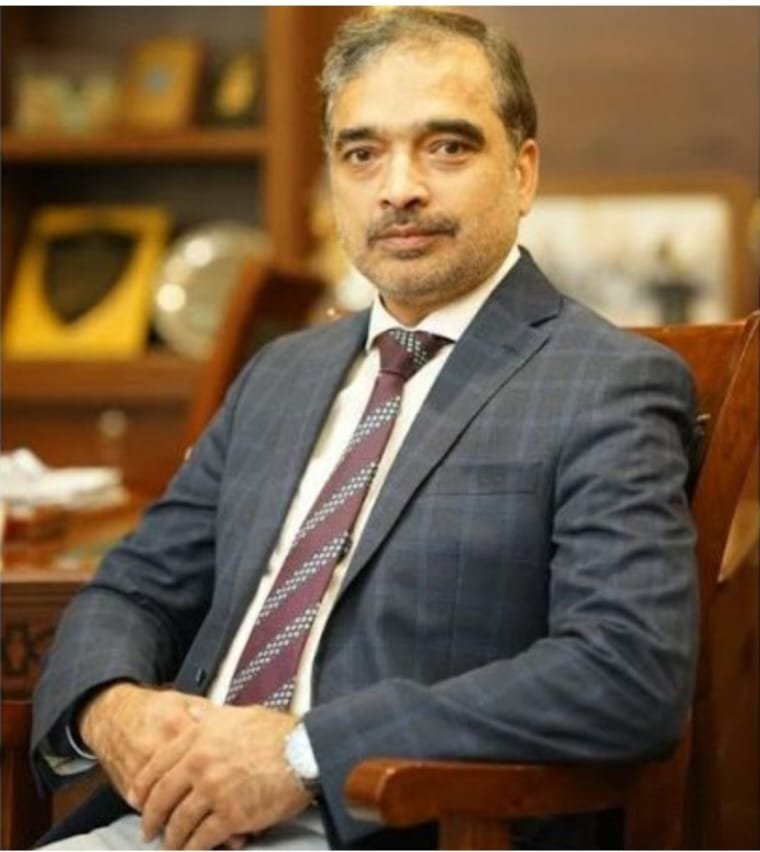
PFC Director Shahbaz Aslam said the government’s move has sent a much-needed positive signal to manufacturers struggling with soaring production costs over the past several years. He highlighted that energy expenses make up a significant portion of the cost structure for furniture manufacturing, especially for units involved in wood processing, finishing, seasoning, and value-added production.
“Any meaningful relief in electricity prices directly improves margins and allows businesses to plan expansion and modernization,” he said.
Shahbaz Aslam endorsed the government’s broader economic reform agenda aimed at stabilizing the economy and supporting export-oriented industries, stating that such measures are crucial for rebuilding business confidence. The reduction in electricity tariffs, combined with easing inflation and improved macroeconomic indicators, has created cautious optimism within the furniture sector.
He urged the government to further reduce electricity, gas, and fuel tariffs across the board, arguing that selective or limited relief cannot deliver sustainable results. Industries like furniture manufacturing, which rely on continuous power supply and energy-intensive processes, require regionally competitive energy rates to survive and grow.
Shahbaz Aslam also highlighted the export potential of Pakistan’s furniture sector, noting that with the right policy support, it can earn valuable foreign exchange and create large-scale employment. He added that Pakistan has abundant raw materials, skilled craftsmanship, and a growing design base, but high input costs remain a major barrier to international market expansion. Lower energy tariffs would allow manufacturers to price products more competitively and invest in modern machinery and design innovation.