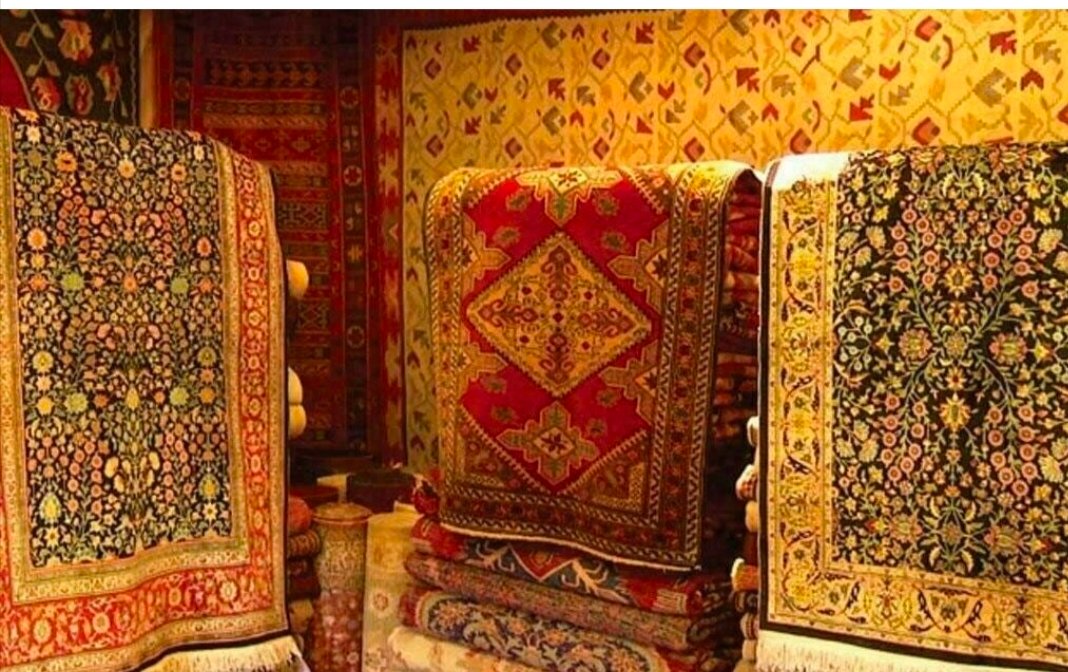
Call for Comprehensive Support Package for Hand-Knotted Carpet Industry
By Muhammad Shahzad, Lahore PakistanLahore: Chairman of the Carpet Training Institute (CTI), Ejaz-ur-Rehman, has urged the government to introduce a comprehensive support package for the hand-knotted carpet industry and other export-oriented sectors in the upcoming federal budget, warning that timely intervention is crucial to revive the struggling sector.In a statement, he said Pakistani hand-knotted carpets…
By Muhammad Shahzad, Lahore Pakistan
Lahore: Chairman of the Carpet Training Institute (CTI), Ejaz-ur-Rehman, has urged the government to introduce a comprehensive support package for the hand-knotted carpet industry and other export-oriented sectors in the upcoming federal budget, warning that timely intervention is crucial to revive the struggling sector.
In a statement, he said Pakistani hand-knotted carpets continue to enjoy strong demand in international markets and retain a distinct global identity. However, he stressed that without a clear and effective policy framework, the country risks losing its competitive edge. “With the right strategy and institutional support, this industry can once again emerge as a key contributor to Pakistan’s export earnings,” he added.
Ejaz-ur-Rehman noted that despite efforts by stakeholders to improve quality and productivity, the industry is facing mounting challenges, including rising production costs, economic pressures, and stiff global competition. He maintained that the sector still holds significant growth potential, provided that reforms aligned with modern market demands are implemented.
Highlighting the role of the Carpet Training Institute, he said the organisation is actively working to equip artisans with both traditional weaving skills and modern expertise in design and marketing, enabling them to compete in evolving global markets.
He identified major challenges confronting the sector, including escalating raw material prices, a shortage of skilled labour, and limited access to international markets. He emphasised that the welfare of artisans must be prioritised through better wages, social protection, and initiatives to attract younger generations to the craft.