Govt urged to provide protection, special incentives to investors
By Dr Ansab AliLAHORE:The Pakistan Carpet Manufacturers and Exporters Association has urged the federal government to introduce special incentives and protection measures for investors seeking to repatriate their capital from Gulf countries amid prevailing regional uncertainty.The association also submitted an eight-point set of proposals for the Federal Budget 2026–27, aimed at strengthening exports and stabilizing…
By Dr Ansab Ali
LAHORE:
The Pakistan Carpet Manufacturers and Exporters Association has urged the federal government to introduce special incentives and protection measures for investors seeking to repatriate their capital from Gulf countries amid prevailing regional uncertainty.
The association also submitted an eight-point set of proposals for the Federal Budget 2026–27, aimed at strengthening exports and stabilizing the economy.
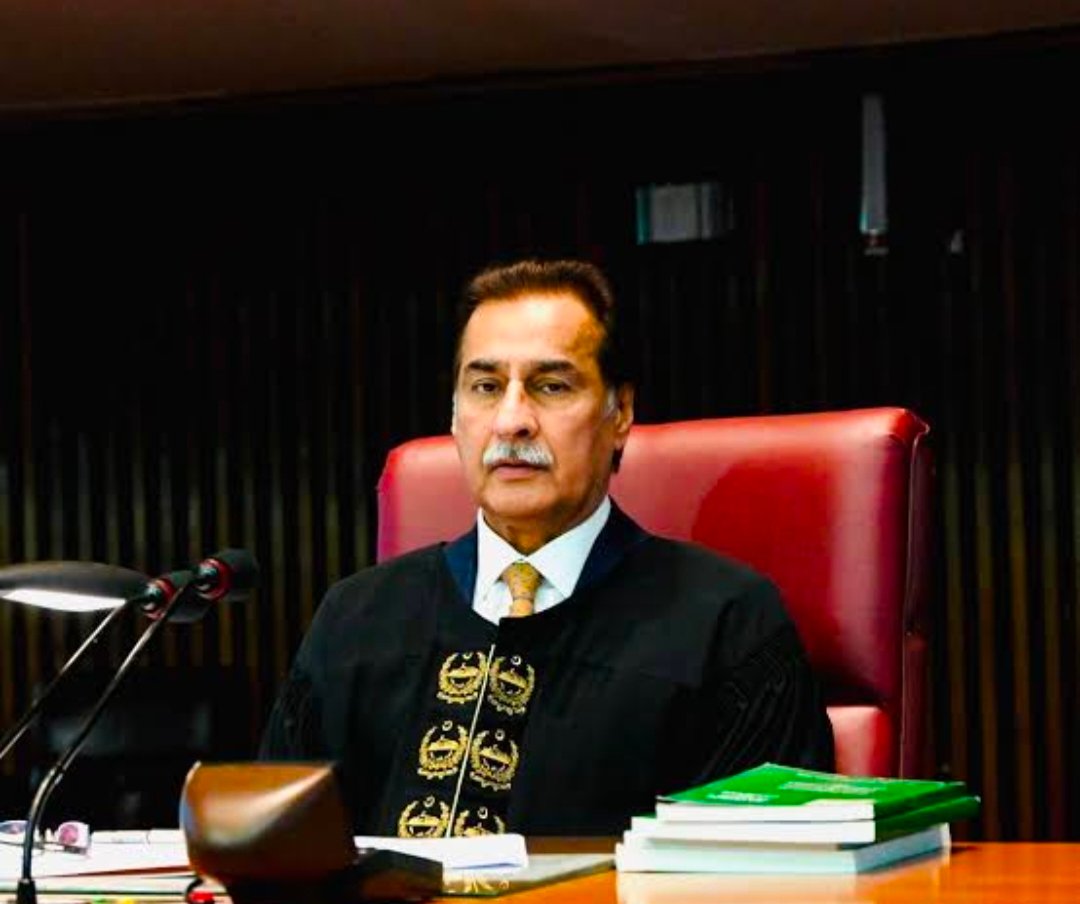
In recommendations sent to National Assembly Speaker Sardar Ayaz Sadiq, Patron-in-Chief Abdul Latif Malik emphasized the need for immediate steps to restore export activity to its full potential in order to boost foreign exchange reserves.
The association proposed granting at least two years of special relief and protection to Pakistani investors based in Gulf countries, enabling them to transfer their investments back to Pakistan. It argued that such measures would strengthen reserves and positively impact the overall economy.
Raising concerns over taxation, the association called for reforms in the withholding tax regime. It noted that exporters were previously subject to a final fixed withholding tax of 1% under Section 143(1)(b), which has since been shifted to the normal tax regime. As a result, exporters are now paying both a 1% withholding tax and an additional 1% advance tax. The association proposed restoring a final fixed tax regime at 1.5% to provide certainty and support export growth.
It further highlighted that the current 45% tax rate on large businesses is excessively high and recommended reducing it to 35% as a final tax. The association also demanded the permanent abolition of the flood surcharge and super tax.
In support of export promotion, the association urged the restoration of the 80/20 subsidy through the Trade Development Authority of Pakistan for participation in international exhibitions. It stressed that such support is crucial for exporters, particularly in the handmade carpet sector, to access global markets.
The association also recommended merging multiple tax-collecting institutions—including the Employees’ Old-Age Benefits Institution, Social Security, Labour Department, and Civil Defense—into a single authority to reduce the burden of multiple taxation and overlapping regulations.
On trade facilitation, it highlighted issues at the Torkham Border, stating that the current 25% sales tax on imports is placing undue pressure on export industries. It proposed reducing the rate to the standard 18% or introducing a 5% non-refundable tax to ease costs.
The association further emphasized the need for direct access to major European retail chains and called for a more proactive role by Pakistan’s commercial counselors abroad in facilitating international market linkages.
Additionally, it urged the government to reduce energy tariffs, noting that high electricity and fuel costs are undermining the competitiveness of export-oriented sectors, particularly the carpet industry.
Concluding, Abdul Latif Malik expressed hope that the government would give serious consideration to these proposals in the upcoming budget to enhance exports and ensure economic stability.