SMEDA Highlights PM’s SME Development Vision at D-8 SME Forum
By Farzana ChaudhryLahore, PakistanLAHORE (May 11): The Small and Medium Enterprises Development Authority (SMEDA) has reaffirmed its commitment to promoting regional economic cooperation through business-to-business (B2B) linkages, knowledge sharing and market facilitation during the 9th Meeting of the D-8 SME Governmental Bodies.The virtual meeting, hosted by SMEDAN, brought together heads and senior representatives of SME…
By Farzana Chaudhry
Lahore, Pakistan
LAHORE (May 11): The Small and Medium Enterprises Development Authority (SMEDA) has reaffirmed its commitment to promoting regional economic cooperation through business-to-business (B2B) linkages, knowledge sharing and market facilitation during the 9th Meeting of the D-8 SME Governmental Bodies.
The virtual meeting, hosted by SMEDAN, brought together heads and senior representatives of SME governmental bodies from D-8 member states to discuss practical measures for enhancing SME development, economic integration and intra-D-8 trade.
The participating member states expressed their collective resolve to strengthen SME cooperation and advance an implementation-focused regional collaboration agenda.
Representing SMEDA under the supervision of the Ministry of Industries and Production, Chief Executive Officer Nadia Jahangir Seth said that following the constructive deliberations of the 8th meeting hosted by Pakistan, the D-8 platform is now moving toward implementation-driven cooperation through structured action plans and stronger institutional coordination.
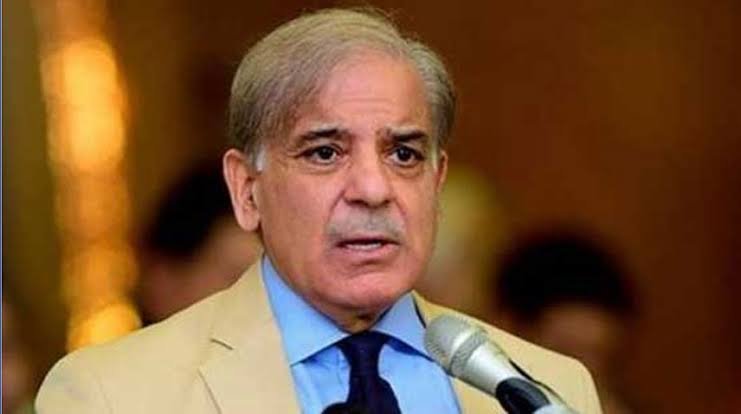
She said that under the SME development vision of the Prime Minister of Pakistan, the government was giving special attention to micro and women-led enterprises to strengthen and empower the SME sector.
Nadia Jahangir Seth also highlighted common challenges faced by SMEs across member states, including limited access to finance, technology adoption, market integration and international competitiveness. She emphasized that collective efforts under the D-8 framework could effectively address these issues through knowledge sharing, institutional linkages and coordinated policy support.
She further outlined SMEDA’s recent initiatives aimed at promoting SME internationalization, including engagement with Trade and Investment Officers to facilitate SME participation in international trade fairs and business delegations, support for SME certifications to meet international compliance requirements, and promotion of subcontracting opportunities to improve SME integration into global value chains.
She expressed Pakistan’s appreciation to the Government of Nigeria and the Developing-8 Organization for Economic Cooperation Secretariat for convening the important meeting and sustaining momentum toward deeper regional cooperation.
Addressing the meeting, D-8 Secretary-General Sohail Mahmood underscored the central role of SMEs as drivers of growth, employment and innovation across D-8 economies. He also highlighted the critical role of SMEs in achieving the intra-D-8 trade target of USD 500 billion by 2030.
He described initiatives such as Malaysia’s focus on Green MSMEs and medical tourism, along with strategic contributions from Azerbaijan and Nigeria through structured Action Plans aimed at delivering measurable outcomes, as commendable efforts.
Sohail Mahmood urged member states to convene dedicated technical sessions to refine and consolidate the two Action Plans ahead of the next (10th) meeting, where their formal adoption is expected.
He also called for stronger collaboration with global partners such as United Nations Department of Economic and Social Affairs and United Nations Industrial Development Organization, accelerated digital transformation within SME ecosystems, enhanced knowledge-sharing and capacity-building among member states, and operationalization of the D-8 SME Centre as a hub for regional connectivity.
The participants reaffirmed their commitment to strengthening SME ecosystems, enhancing intra-D-8 trade and advancing inclusive and sustainable economic growth across the region. They also appreciated Nigeria for presenting a structured draft Action Plan for the D-8 SME Centre in Abuja.
The meeting concluded with consensus on structured follow-up, sustained coordination through designated focal points and the Secretariat, and collective ownership of the agreed Action Plans for their timely implementation and contribution toward stronger SME ecosystems and enhanced intra-D-8 trade.
y Farzana Chaudhry
Lahore, Pakistan
LAHORE (May 11): The Small and Medium Enterprises Development Authority (SMEDA) has reaffirmed its commitment to promoting regional economic cooperation through business-to-business (B2B) linkages, knowledge sharing and market facilitation during the 9th Meeting of the D-8 SME Governmental Bodies.
The virtual meeting, hosted by SMEDAN, brought together heads and senior representatives of SME governmental bodies from D-8 member states to discuss practical measures for enhancing SME development, economic integration and intra-D-8 trade.
The participating member states expressed their collective resolve to strengthen SME cooperation and advance an implementation-focused regional collaboration agenda.
Representing SMEDA under the supervision of the Ministry of Industries and Production, Chief Executive Officer Nadia Jahangir Seth said that following the constructive deliberations of the 8th meeting hosted by Pakistan, the D-8 platform is now moving toward implementation-driven cooperation through structured action plans and stronger institutional coordination.
She said that under the SME development vision of the Prime Minister of Pakistan, the government was giving special attention to micro and women-led enterprises to strengthen and empower the SME sector.
Nadia Jahangir Seth also highlighted common challenges faced by SMEs across member states, including limited access to finance, technology adoption, market integration and international competitiveness. She emphasized that collective efforts under the D-8 framework could effectively address these issues through knowledge sharing, institutional linkages and coordinated policy support.
She further outlined SMEDA’s recent initiatives aimed at promoting SME internationalization, including engagement with Trade and Investment Officers to facilitate SME participation in international trade fairs and business delegations, support for SME certifications to meet international compliance requirements, and promotion of subcontracting opportunities to improve SME integration into global value chains.
She expressed Pakistan’s appreciation to the Government of Nigeria and the Developing-8 Organization for Economic Cooperation Secretariat for convening the important meeting and sustaining momentum toward deeper regional cooperation.
Addressing the meeting, D-8 Secretary-General Sohail Mahmood underscored the central role of SMEs as drivers of growth, employment and innovation across D-8 economies. He also highlighted the critical role of SMEs in achieving the intra-D-8 trade target of USD 500 billion by 2030.
He described initiatives such as Malaysia’s focus on Green MSMEs and medical tourism, along with strategic contributions from Azerbaijan and Nigeria through structured Action Plans aimed at delivering measurable outcomes, as commendable efforts.
Sohail Mahmood urged member states to convene dedicated technical sessions to refine and consolidate the two Action Plans ahead of the next (10th) meeting, where their formal adoption is expected.
He also called for stronger collaboration with global partners such as United Nations Department of Economic and Social Affairs and United Nations Industrial Development Organization, accelerated digital transformation within SME ecosystems, enhanced knowledge-sharing and capacity-building among member states, and operationalization of the D-8 SME Centre as a hub for regional connectivity.
The participants reaffirmed their commitment to strengthening SME ecosystems, enhancing intra-D-8 trade and advancing inclusive and sustainable economic growth across the region. They also appreciated Nigeria for presenting a structured draft Action Plan for the D-8 SME Centre in Abuja.
The meeting concluded with consensus on structured follow-up, sustained coordination through designated focal points and the Secretariat, and collective ownership of the agreed Action Plans for their timely implementation and contribution toward stronger SME ecosystems and enhanced intra-D-8 trade.