U.S. establishes secret maritime corridor through Strait of Hormuz to keep oil flowing
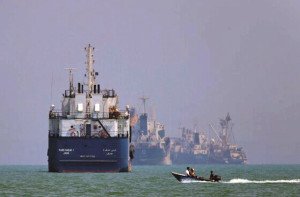
The United States has set up a secret maritime corridor to keep oil flowing to international markets via routes connected to the Strait of Hormuz, with a U.S.-led operation reportedly escorting 15 to 20 oil tankers each night through the passage. Axios reported the operation, citing two U.S. officials familiar with the effort.According to the…
The United States has set up a secret maritime corridor to keep oil flowing to international markets via routes connected to the Strait of Hormuz, with a U.S.-led operation reportedly escorting 15 to 20 oil tankers each night through the passage. Axios reported the operation, citing two U.S. officials familiar with the effort.
According to the report, the operation has been under way for several weeks and uses a southern sea route along Oman’s coast. Officials told Axios the corridor is currently moving roughly 10 million barrels of oil out of the Gulf daily — about half the pre-war volume that used to transit the Strait of Hormuz. The initiative aims to ease disruptions to global supply caused by regional conflict and help restrain spikes in crude prices.
U.S. forces are reportedly escorting not only loaded tankers out of the strait but also assisting empty tankers entering the Gulf from the Arabian Sea so they can pick up crude from regional producers and return via the same sea lane. The operation is coordinated by a task force operating from Fort Bragg, North Carolina, in cooperation with Gulf partners. Nightly convoys are organized into inbound and outbound groups and ordered to use the southern corridor.
Officials said U.S. Air Force fighter jets are providing protection against potential Iranian drones and cruise missile attacks. The operation began after a two-week Central Command campaign that targeted Iranian radar and maritime surveillance systems, degrading Tehran’s ability to monitor vessels in the southern corridor. As a result, Iran has relied more on a limited number of restored radars and surveillance personnel aboard small Islamic Revolutionary Guard Corps vessels, and has stepped up drone and cruise missile strikes in areas where it suspects ship traffic.
Axios’ account is based on anonymous U.S. officials; U.S. authorities have not fully confirmed or detailed the operation publicly. The corridor and its effects on international oil markets, regional security, and Iran–U.S. tensions will remain under close observation.