Pope Leo Diagnosed With Lung Cancer After Successful Surgery
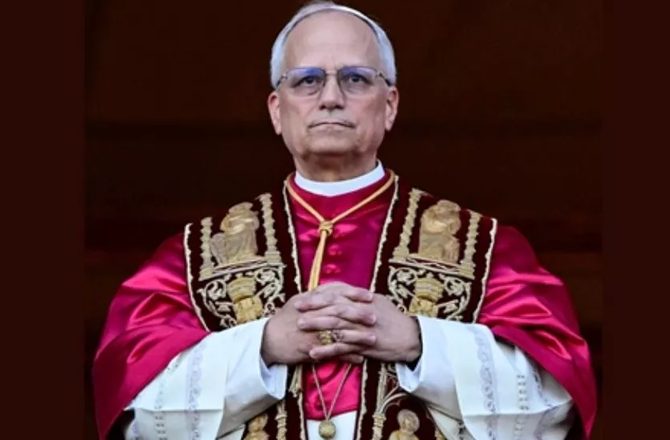
Rome: The Vatican has confirmed that Pope Leo XIV has lung cancer. The 71-year-old pope underwent surgery at Rome’s Gemelli Hospital on October 13, during which the lower part of his right lung was removed. Doctors said the operation lasted about 90 minutes and that no complications occurred. The cancer was confirmed through examination of…
Rome: The Vatican has confirmed that Pope Leo XIV has lung cancer. The 71-year-old pope underwent surgery at Rome’s Gemelli Hospital on October 13, during which the lower part of his right lung was removed. Doctors said the operation lasted about 90 minutes and that no complications occurred. The cancer was confirmed through examination of tissue removed during surgery, though further results are awaited to determine its stage and whether it has spread to the lymph nodes.
The diagnosis of lung cancer in the head of the Roman Catholic Church has focused worldwide attention on the pope’s health. According to the Vatican, doctors confirmed the presence of lung cancer during the operation. Earlier, a routine medical examination had identified a small nodule in his right lung, prompting the decision to remove it surgically.
The Vatican’s medical statement said Pope Leo has a common form of lung cancer, adenocarcinoma. Surgeons performed the procedure using video assistance and removed the lower portion of his right lung to eliminate the cancerous tissue. The pope remained in the operating theatre for about three hours in total, while the surgery itself lasted approximately 90 minutes.
The medical team described the operation as successful, saying there were no complications and that the pope was moved to his room after regaining consciousness. The Vatican said Pope Leo spent his first night in hospital comfortably after the surgery.
His personal physician, Dr Luigi Carbone, and the head of the surgical team, Professor Stefano Margaritora, said earlier medical examinations had raised suspicion of cancer, which was confirmed through tissue analysis during the operation. Further examinations of the removed tissue and other samples will determine the extent of the disease and whether additional treatment is required.
Pope Leo had disclosed his health condition himself after Sunday prayers in St Peter’s Square on October 11. He said doctors had identified a small nodule in his lung during a recent examination and advised that it should be addressed. “Doctors believe it is better to act on it, so following their advice, I have decided to undergo surgery to remove it,” he had said. At the time, he said the nodule had been identified at an early stage and was confined to a limited area.
Medical experts say determining the cancer’s stage will now be crucial. The Vatican has not yet said whether the cancer has spread to the lymph nodes or beyond the lung. According to Dr Stephen Liu, a cancer specialist at Georgetown University, information about the size of the nodule and the condition of the lymph nodes is essential to assess the patient’s outlook. If the cancer is confined to a limited area and the lymph nodes are unaffected, surgery may prove an effective treatment; however, further treatment may be needed if the disease has spread.
No final decision has yet been announced regarding chemotherapy or other treatments for the pope. His public engagements have been temporarily cancelled to allow recovery. The Vatican has cancelled all his scheduled meetings and public programmes until October 21, while doctors estimate he may need to remain in hospital for about a week.
Pope Leo’s planned visit to Latin America in November is also now uncertain. His programme includes an 11-day tour of Uruguay, Argentina and Peru from November 6 to 17, involving multiple flights and stays at different locations. The Vatican has not yet announced any cancellation of the visit.
Pope Leo was elected in May 2025 as the spiritual leader of the world’s approximately 1.4 billion Roman Catholic Christians.