PIAF urges comprehensive industrial, trade reforms for sustainable export growth
LCCI president says lower business costs, policy continuity vital for economic stabilityBy Muhammad ShahzadLahore, PakistanLAHORE: The Pakistan Industrial and Traders Associations Front (PIAF) has welcomed the government’s decision to review export promotion schemes and targeted incentives ahead of the upcoming federal budget, terming it a positive move toward strengthening the country’s export sector and improving…
LCCI president says lower business costs, policy continuity vital for economic stability
By Muhammad Shahzad
Lahore, Pakistan
LAHORE: The Pakistan Industrial and Traders Associations Front (PIAF) has welcomed the government’s decision to review export promotion schemes and targeted incentives ahead of the upcoming federal budget, terming it a positive move toward strengthening the country’s export sector and improving economic competitiveness.
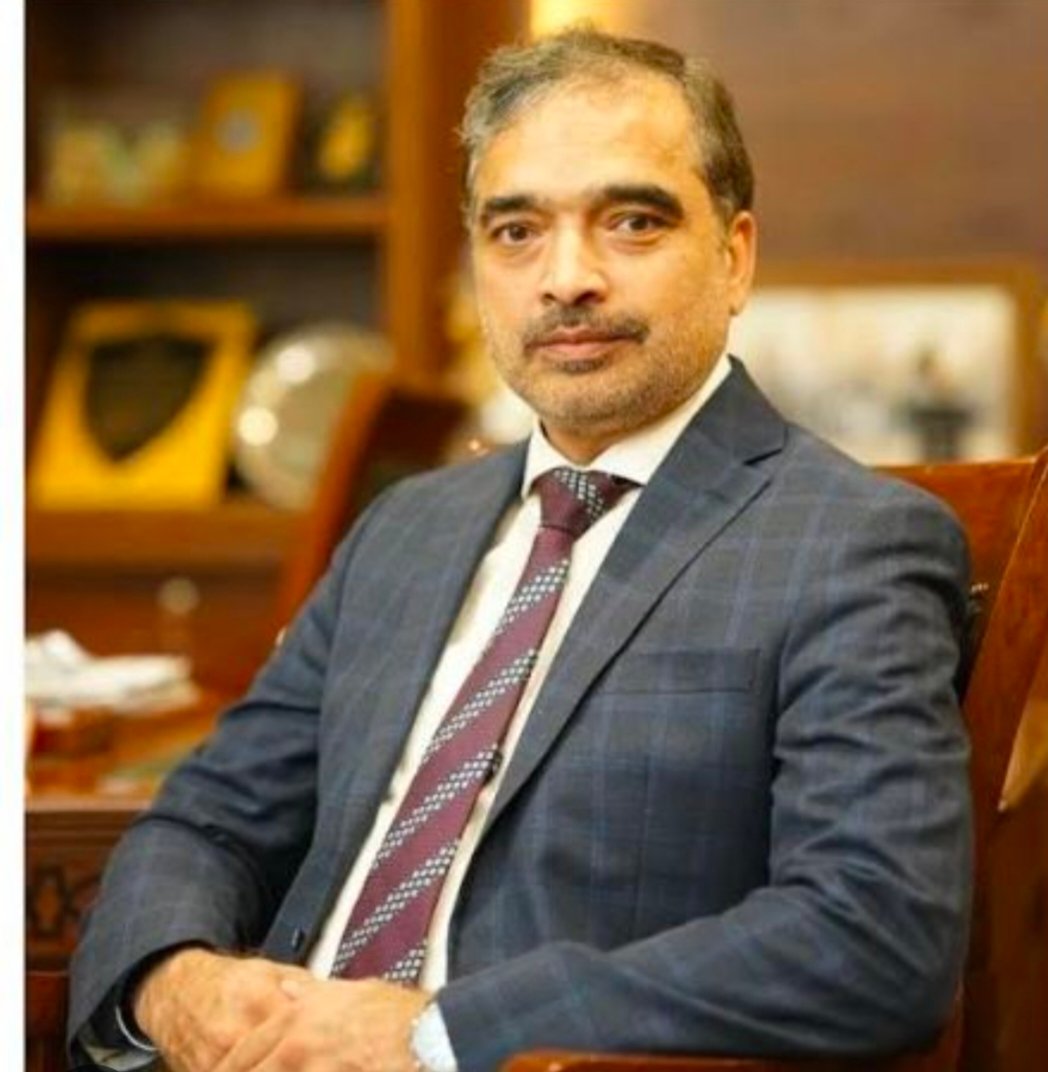
In a joint statement, PIAF Chairman Faheemur Rehman Saigol, who is also President of the Lahore Chamber of Commerce and Industry (LCCI), along with Senior Vice Chairman Nasrullah Mughal and Vice Chairman Tahir Manzoor Chaudhry, said the government’s focus on export competitiveness, sector-specific incentives and SME participation reflects increasing recognition of the role exports play in stabilising and expanding the national economy.
The PIAF leadership stressed that Pakistan urgently requires a long-term export-oriented economic strategy that supports industries, encourages investment and enables local businesses to compete effectively in international markets.
“Exports remain the backbone of economic stability and foreign exchange earnings. Any serious economic reform agenda must prioritise industrial growth, export expansion and business facilitation,” said Faheemur Rehman Saigol.
He appreciated the government’s consultations with economic experts and stakeholders regarding export incentives and trade facilitation measures for the upcoming budget. However, he emphasised that reforms must extend beyond temporary incentives and address structural issues affecting Pakistan’s industrial and export sectors.
According to the PIAF chairman, industries are struggling with high electricity and gas tariffs, rising taxation, expensive financing, inconsistent policies, and delays in refunds and regulatory approvals. He noted that these factors have significantly weakened Pakistan’s competitiveness compared to regional economies.
“Export growth cannot be achieved through isolated incentives alone. The government must reduce the cost of doing business, ensure stable economic policies and improve ease of doing business to create a competitive environment for exporters and manufacturers,” he remarked.
Saigol said Pakistan has significant export potential in sectors including textiles, engineering goods, information technology, agriculture, dairy, pharmaceuticals and value-added manufacturing, but businesses require policy continuity and infrastructure support to fully utilise these opportunities.
The PIAF leadership also welcomed discussions on performance-based export incentives and rebates linked to incremental export growth, stating that such measures could encourage productivity and motivate industries to explore new markets. However, the association emphasised that transparency, simplicity and consistency in incentive schemes are necessary to maintain confidence among exporters and investors.
Senior Vice Chairman Nasrullah Mughal said the government should particularly focus on small and medium enterprises (SMEs), given their critical role in employment generation, industrial production and export diversification.
“SMEs are facing severe financial pressure due to inflation, higher utility costs and limited access to financing. Without targeted support for SMEs, export growth targets will remain difficult to achieve,” he said.
He urged the government to introduce low-interest financing facilities, tax incentives and simplified regulatory procedures to improve SME participation in export activities.
Vice Chairman Tahir Manzoor Chaudhry highlighted the importance of trade facilitation measures, improved logistics and modern infrastructure in enhancing Pakistan’s export competitiveness. He noted that exporters continue to face difficulties related to port operations, customs procedures, transportation costs and shipment delays, which increase operational expenses and reduce efficiency.
“The government must modernise trade infrastructure, digitise customs systems and ensure faster clearance procedures to help exporters compete effectively in global markets,” he added.
The PIAF leaders also stressed the need for stronger coordination among economic ministries and institutions dealing with trade, industry and finance, saying consistent policymaking is essential to avoid uncertainty for businesses.
“Modern economies are driven by innovation and technology. Pakistan must support industries in adopting advanced manufacturing systems, digital technologies and modern export standards to compete internationally,” said Faheemur Rehman Saigol.