Pakistan Draws Red Line on Abraham Accords: No Flexibility Until Palestinian State Recognized
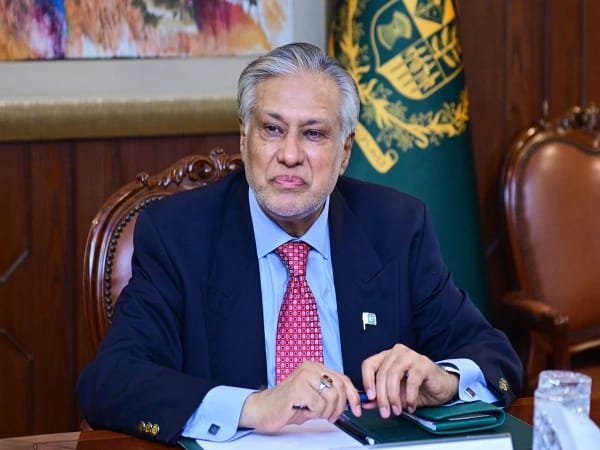
WASHINGTON — Pakistani Deputy Prime Minister and Foreign Minister Ishaq Dar declared Friday that Islamabad will not show any flexibility toward joining the Abraham Accords until a Palestinian state is formally recognized, setting a clear diplomatic boundary ahead of mounting US pressure on Muslim-majority nations.Speaking to journalists in Washington, Dar stated that Pakistan’s position is…
WASHINGTON — Pakistani Deputy Prime Minister and Foreign Minister Ishaq Dar declared Friday that Islamabad will not show any flexibility toward joining the Abraham Accords until a Palestinian state is formally recognized, setting a clear diplomatic boundary ahead of mounting US pressure on Muslim-majority nations.
Speaking to journalists in Washington, Dar stated that Pakistan’s position is unambiguous: no normalization with Israel unless a Palestinian state is established along pre-1967 borders with Al-Quds Al-Sharif (East Jerusalem) as its capital.
“Pakistan’s stance is firm and principled,” Dar said. “There will be no flexibility on the Abraham Accords until Palestine is recognized.”
The foreign minister also highlighted Pakistan’s role as a regional peacemaker, revealing that Islamabad played a pivotal behind-the-scenes role in facilitating the first US-Iran negotiations in nearly 47 years — a significant diplomatic breakthrough after decades of hostility between Washington and Tehran.
Dar described his meeting with US Secretary of State Marco Rubio as taking place in a “warm and productive atmosphere,” and reaffirmed Pakistan’s commitment to Kashmiri self-determination in accordance with United Nations resolutions.
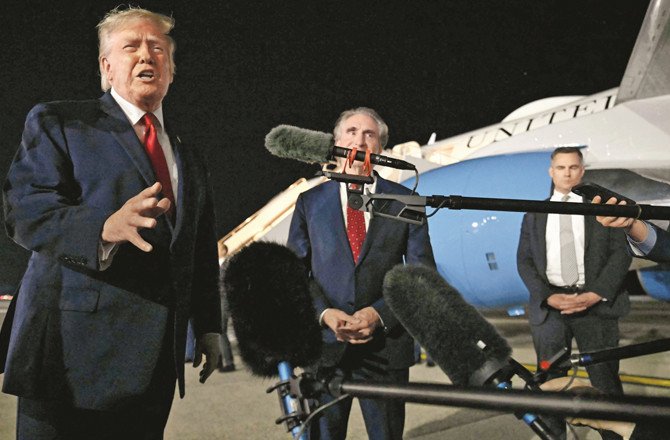
The statement carries particular weight following remarks by US President Donald Trump, who recently suggested that Muslim nations — including Saudi Arabia, Qatar, and Pakistan — should join the Abraham Accords following any potential Iran-US agreement.
Dar pushed back on suggestions that Pakistan is being diplomatically isolated, asserting that India’s efforts to marginalize Islamabad on the world stage have failed, and that Pakistan under its current leadership has earned renewed international standing.