U.S. threatens “unprecedented” economic isolation of Iran
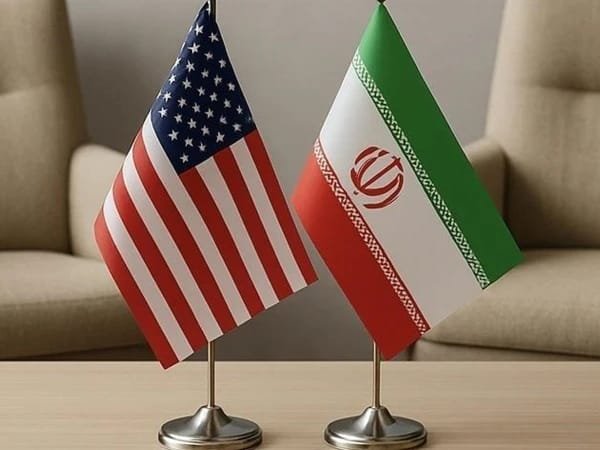
Treasury chief: The world has never seen economic isolation like what we plan for IranWashington — The United States has threatened to economically isolate Iran in a manner “the world has never seen,” and warned that a blockade of the Strait of Hormuz would prevent goods from leaving or entering Iranian ports. U.S. Treasury Secretary…
Treasury chief: The world has never seen economic isolation like what we plan for Iran
Washington — The United States has threatened to economically isolate Iran in a manner “the world has never seen,” and warned that a blockade of the Strait of Hormuz would prevent goods from leaving or entering Iranian ports. U.S. Treasury Secretary Scott Bessent told Newsmax TV on Thursday that new measures are expected next week that will amount to an unprecedented package of economic isolation.
Bessent said the approach would be dual: ramped-up financial pressure and effective port interdictions. Earlier, Vice President J.D. Vance said Washington’s top priority in the conflict with Iran is lowering fuel prices for Americans, while preventing Tehran from acquiring nuclear weapons is a secondary priority.
The tougher stance contrasts with Bessent’s remarks on August 6, when he told CNBC a deal to reopen the Strait of Hormuz with Tehran could be reached in days. Those earlier comments had sparked gains on Wall Street and a drop in oil prices. In July, the Treasury expanded sanctions targeting Iran’s shipping and economic networks after new attacks on international vessels in the Strait.
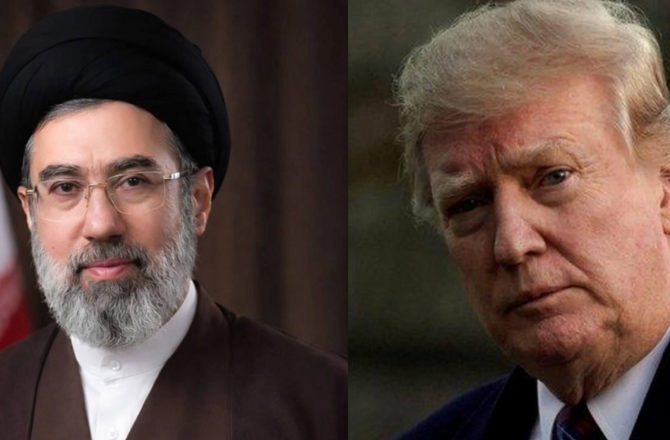
Background: After a U.S.-Israeli strike on February 28 that reportedly killed Iran’s supreme leader, several top commanders and hundreds of civilians, Tehran quickly seized control of the narrow waterway — through which roughly one-fifth of the world’s oil passes — and launched missile and drone attacks on U.S.-allied Gulf states. Reports indicate U.S. forces expended large stocks of advanced weapons early in the conflict, depleting some arsenals and narrowing options reportedly available to President Donald Trump.
Separately, Tehran has presented conditions for reopening the strait that U.S. officials are unlikely to accept: an end to hostilities on all fronts, removal of U.S. port blockades, lifting of sanctions, release of frozen assets, compensation for wartime losses, and a clause proposing $300 billion in reconstruction funds for Iran.