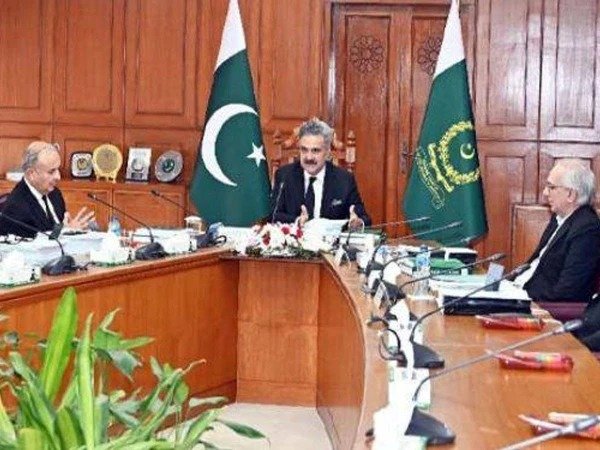
Transfer of 5 Islamabad High Court Judges; Judicial Commission Meeting Called for April 28
Proposed Transfers of Justice Mohsin Akhtar Kayani and Justice Babar Sattar Also on AgendaIslamabad A significant development has emerged within Pakistan’s judiciary, as the Judicial Commission of Pakistan has convened a crucial meeting on April 28 to deliberate on the proposed transfers of five judges of the Islamabad High Court — a move that has…
Proposed Transfers of Justice Mohsin Akhtar Kayani and Justice Babar Sattar Also on Agenda
Islamabad
A significant development has emerged within Pakistan’s judiciary, as the Judicial Commission of Pakistan has convened a crucial meeting on April 28 to deliberate on the proposed transfers of five judges of the Islamabad High Court — a move that has already sparked considerable debate in legal and political circles.
According to sources, the agenda for the meeting includes reviewing proposals to transfer Justice Mohsin Akhtar Kayani to the Lahore High Court and Justice Babar Sattar to the Peshawar High Court. Both judges have been prominent figures in recent high-profile judicial proceedings and their names have frequently appeared in the context of landmark rulings that have drawn both praise and controversy.
The development has been received with deep concern by segments of the legal community. Critics argue that the selective transfer of specific judges — particularly those known for independent and assertive rulings — raises serious questions about judicial independence and the potential use of administrative mechanisms to influence the composition of benches. Supporters of the move, however, maintain that inter-court transfers are a routine administrative tool provided for under Pakistan’s constitutional framework.
Under the Constitution of Pakistan, the transfer of High Court judges requires the recommendation of the Judicial Commission and the approval of the President. While the process is constitutionally sanctioned, such transfers have historically been contentious, often drawing sharp protests from bar associations and civil society groups who view them as attempts to manage judicial outcomes.
The April 28 meeting is being closely watched by lawyers, rights organisations, and political observers alike, with its outcomes likely to have significant implications for the independence and trajectory of Pakistan’s superior judiciary.