“UAE Reveals It Considered Leaving OPEC for Past Three Years — Gargash”
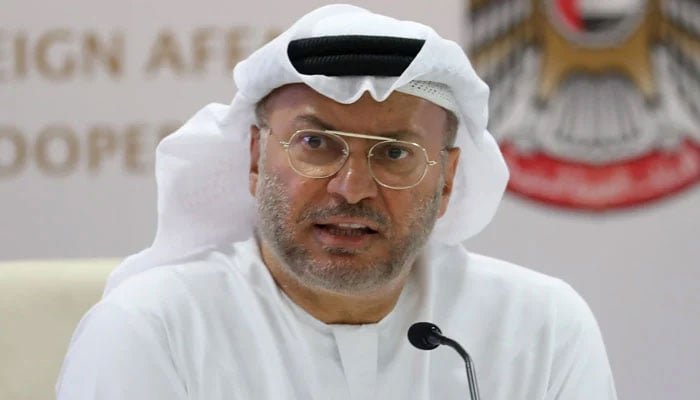
ABU DHABI — UAE Presidential Adviser Anwar Gargash has issued a stark warning, declaring that Iran’s nuclear programme — once the UAE’s second or third priority concern — has now become its single greatest strategic threat.Speaking candidly on regional security, Gargash stressed that Iran possesses the full capability to deploy every weapon in its arsenal,…
ABU DHABI — UAE Presidential Adviser Anwar Gargash has issued a stark warning, declaring that Iran’s nuclear programme — once the UAE’s second or third priority concern — has now become its single greatest strategic threat.
Speaking candidly on regional security, Gargash stressed that Iran possesses the full capability to deploy every weapon in its arsenal, a reality that has fundamentally shifted the UAE’s threat assessment.
He cautioned that any further military confrontation between the United States and Iran would dramatically complicate an already volatile situation, and warned that any change to the status of the Strait of Hormuz would have severe consequences not only for the Middle East but for Europe’s energy security and trade flows as well.
Gargash called on European nations to view the Strait of Hormuz through the lens of their own energy and economic interests, urging greater European engagement in ensuring the waterway’s stability.
In a significant disclosure, Gargash revealed that the UAE had been seriously considering leaving OPEC for the past three years — a statement likely to send ripples through global oil markets and raise fresh questions about the cartel’s long-term cohesion.
The UAE adviser underlined Washington’s expanding influence in Gulf security architecture, stating that relations with the United States have become the backbone of every Gulf state’s national defence system, with America now more central than ever to the strategic calculations of regional governments.
While emphasising the importance of finding a diplomatic path forward, Gargash was careful to add that diplomacy must not come “at the price of creating further complications in the future.”