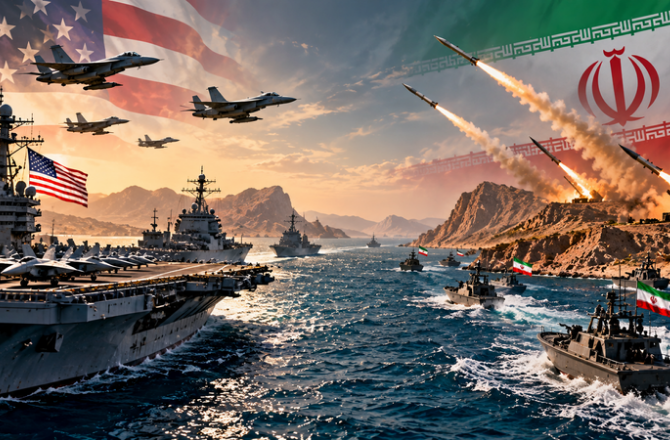
PIBF Welcomes Iran–US Peace Agreement, Urges Government to Seize Economic Opportunities
By Muhammad Shahzad | Lahore, PakistanLAHORE: The Pak International Business Forum (PIBF) has welcomed the emerging peace agreement between Iran and the United States, describing it as a positive development for regional stability and economic cooperation. The forum also praised Pakistan and other facilitators for their role in bringing both sides to the negotiating table.In…
By Muhammad Shahzad | Lahore, Pakistan
LAHORE: The Pak International Business Forum (PIBF) has welcomed the emerging peace agreement between Iran and the United States, describing it as a positive development for regional stability and economic cooperation. The forum also praised Pakistan and other facilitators for their role in bringing both sides to the negotiating table.
In a joint statement, PIBF President Dr. Mushtaq Mangat and Secretary General Ejaz Tanveer said the agreement is expected to ease regional tensions, reopen key trade routes and potentially lead to a gradual relaxation of sanctions on Iran, creating new economic opportunities for neighboring countries, particularly Pakistan.
The PIBF leadership noted that Pakistan’s contribution to facilitating dialogue reflects its growing role as a responsible stakeholder in promoting peace and stability in the region. They emphasized that diplomatic engagement remains the most effective path for resolving international disputes and fostering long-term economic development.
Dr. Mushtaq Mangat said that improved regional stability and the possible easing of restrictions on Iranian energy exports could help stabilize global energy markets and provide Pakistan with access to more affordable energy resources.
He urged the government to engage proactively with Iranian authorities to explore long-term agreements for importing crude oil, petroleum products and natural gas at competitive prices. According to him, lower energy costs would directly benefit consumers and significantly enhance the competitiveness of Pakistan’s industrial sector.
“High energy prices continue to be one of the major challenges facing Pakistani industries. If sanctions-related obstacles are reduced and bilateral energy cooperation becomes feasible, Pakistan should move quickly to negotiate favorable arrangements for importing Iranian oil and gas. Affordable energy can boost industrial productivity, increase exports and support sustainable economic growth,” he said.
The PIBF also called for renewed efforts to operationalize and expand regional connectivity projects, particularly the Islamabad–Tehran–Istanbul (ITI) Cargo Train, which it described as a strategic trade corridor linking Pakistan with Iran, Türkiye, Central Asia and Europe.
The forum said enhanced rail connectivity would lower transportation costs, reduce delivery times and provide Pakistani exporters with improved access to international markets.
Dr. Mushtaq Mangat and Ejaz Tanveer further urged the government to formulate a comprehensive economic engagement strategy with Iran, encompassing energy cooperation, bilateral trade, banking channels, logistics, transportation, tourism and industrial collaboration. They stressed that the private sector should play an active role in shaping such a strategy to ensure that emerging opportunities translate into concrete economic gains.
The PIBF leadership expressed optimism that the peace process would continue to progress and contribute to lasting regional stability. They reiterated that peace and economic cooperation are closely linked and can create shared prosperity for all countries involved.