Israel: Betting markets predict Netanyahu defeat despite Trump’s backing
ISRAEL — Betting markets have predicted a surprising defeat for Israeli Prime Minister Benjamin Netanyahu in Tuesday’s parliamentary election, despite strong backing from US President Donald Trump. On prediction market Polymarket, nearly 60 per cent of participants backed centrist challenger Gadi Eisenkot to become the next prime minister, compared with 27 per cent for Netanyahu.Polymarket…
ISRAEL — Betting markets have predicted a surprising defeat for Israeli Prime Minister Benjamin Netanyahu in Tuesday’s parliamentary election, despite strong backing from US President Donald Trump. On prediction market Polymarket, nearly 60 per cent of participants backed centrist challenger Gadi Eisenkot to become the next prime minister, compared with 27 per cent for Netanyahu.
Polymarket gives Eisenkot a 58 per cent chance of taking power and Netanyahu 27 per cent, while traders on Kalshi put Eisenkot’s chances at 52 per cent and Netanyahu’s at 28 per cent. These figures reflect bettors’ expectations rather than direct voter support.
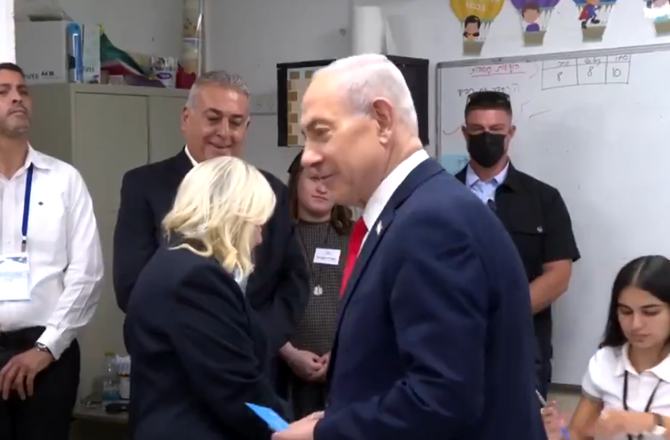
Polling stations opened at 7am and closed at 10pm. Israel’s Central Elections Commission said turnout reached 44.9 per cent by 2pm, the highest at that stage since records began in 1973, compared with 38.9 per cent at the same time in the 2022 election.
Before polls opened, Trump reiterated his “complete and total” support for Netanyahu, calling him “strong, brave and brilliant in the face of tremendous opposition.” Referring to the unresolved US-Israel conflict with Iran, he said that if anyone other than Netanyahu led Israel, America would have to do the job itself.
Former military chief Gadi Eisenkot has positioned himself as Netanyahu’s main alternative. He described the incumbent government as the “worst” in Israel’s history and promised a more responsible style of leadership.
Opinion polls point to a tight contest, with neither Netanyahu’s right-wing bloc nor Eisenkot’s opposition alliance seen as clearly able to secure the 61 seats needed to form a government in the 120-member Knesset.
Because of Israel’s fragmented political system, the country may wait weeks or months for a new government to be formed, while initial results are expected on Wednesday and final results by November 4.