Palestine Action Support: Sally Rooney’s Book Distribution Halted, Sales Surge by 291%
London: Irish author Sally Rooney’s books have been pulled from distribution in the UK over her support for Palestine and her association with ‘Palestine Action’, but the decision has led to an extraordinary surge in sales of her books. The publisher’s decision and the ban on the organisation have sparked a new debate in Britain…
London: Irish author Sally Rooney’s books have been pulled from distribution in the UK over her support for Palestine and her association with ‘Palestine Action’, but the decision has led to an extraordinary surge in sales of her books. The publisher’s decision and the ban on the organisation have sparked a new debate in Britain over freedom of expression, literary autonomy and the right to support Palestine.
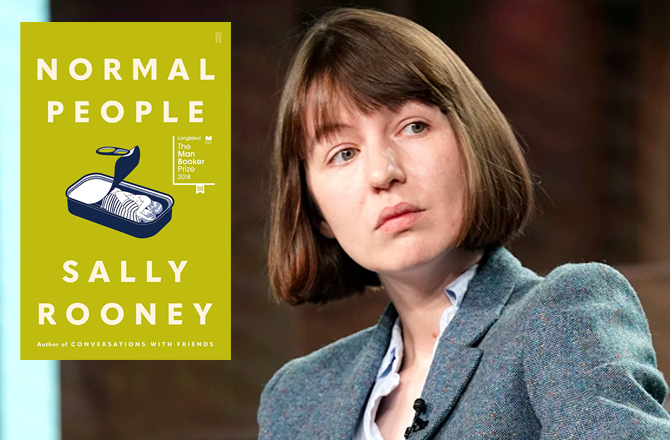
After the British publisher halted the distribution of her books over her support for Palestine Action, sales of Irish author Sally Rooney’s books in the UK increased by 291 percent. Sally Rooney, author of the popular book ‘Normal People’, had announced that she would donate a portion of the income from her books to the group. The pro-Palestine group ‘Palestine Action’ is banned in Britain. Sally Rooney’s British publisher Faber says that due to legal restrictions it can no longer pay royalties to the author, so the distribution of her books has been halted with Sally Rooney’s consent.
According to sales figures, 4,531 of her books were sold in just one week. After stocks ran out in shops, British readers are now ordering her books from bookshops in Ireland. Meanwhile, hundreds of writers have also raised their voices in support of Sally Rooney.
‘Palestine Action’ gained global attention in June 2025 when its activists entered a British Royal Air Force base and damaged aircraft. Following the incident, the British government added the organisation to the list of proscribed organisations under counter-terrorism legislation from July 5, 2025. After this decision, joining the organisation or supporting it became a punishable offence, with a maximum sentence of 14 years in prison.
However, the ban was challenged in court on the grounds that it violated civil liberties and freedom of expression. In February 2026, the High Court declared the ban unlawful, but in June the Court of Appeal overturned the ruling and upheld the ban. The case is now expected to be heard in the UK Supreme Court on November 4 and 5. Amid this legal dispute, Sally Rooney’s case has become a new cause of debate in the literary world over freedom of expression and the right to express a political stance.