Meningitis Outbreak Alert Issued in Gaza as Cases Surge Dangerously
Gaza: Gaza’s Health Ministry has issued an outbreak alert after a sharp rise in meningitis infections, with more than 270 new cases recorded in October. Meningitis is an inflammation of the membranes covering the brain, caused by bacteria or viruses. Senior ministry official Dr. Nidal Ghanim told a press conference that 272 cases were recorded…
Gaza: Gaza’s Health Ministry has issued an outbreak alert after a sharp rise in meningitis infections, with more than 270 new cases recorded in October. Meningitis is an inflammation of the membranes covering the brain, caused by bacteria or viruses.
Senior ministry official Dr. Nidal Ghanim told a press conference that 272 cases were recorded in October, more than eight times the normal monthly rate of 30 to 50. He said 15 Palestinians have died of meningitis since the start of the year, and warned the spread threatens the lives of hundreds of thousands of people, including children. The ministry held the Israeli occupation fully and directly responsible for the outbreak, saying it blocked the entry of repair spare parts, disinfectants and fuel.
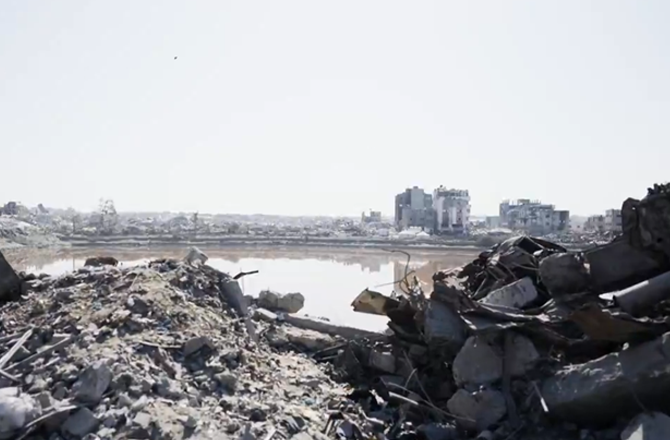
Health organizations blame the surge on destroyed infrastructure, severe overcrowding in shelters and sewage contamination of drinking water. Winter flooding and restrictions on humanitarian aid have worsened the crisis. Much of Gaza’s drinking water used to come from desalination plants and three Israeli-controlled pipelines, which were shut at the start of the war and only partially reopened.
The UN humanitarian agency OCHA recorded 413 suspected meningitis cases between September 27 and October 31, of which 294 were viral and 119 bacterial. About 68 percent were in Gaza City. OCHA attributed the rise to overcrowding in tents and schools, poor shelter and sanitation conditions, and contaminated water.
The water crisis is severe. Before the war, 80 percent of supply came from an aquifer that is now contaminated by seawater and sewage and unfit for human use. Many people face a hard choice between drinking an extra cup of water or saving it for handwashing. Severe diarrhea is among the region’s leading causes of illness, and about 15,000 cubic meters of untreated waste seep into groundwater daily, especially in informal camps in Al-Mawasi. The World Health Organization said in September that bacterial contamination in water samples rose from under 6 percent in January to nearly 20 percent in August.
Beyond disease and shortages, Palestinians continue to face Israeli military attacks and ceasefire violations. Four people were killed and seven wounded in the past 24 hours, bringing deaths since the ceasefire to 1,679. Since October 2023, more than 74,000 Palestinians have been killed and over 176,000 wounded.