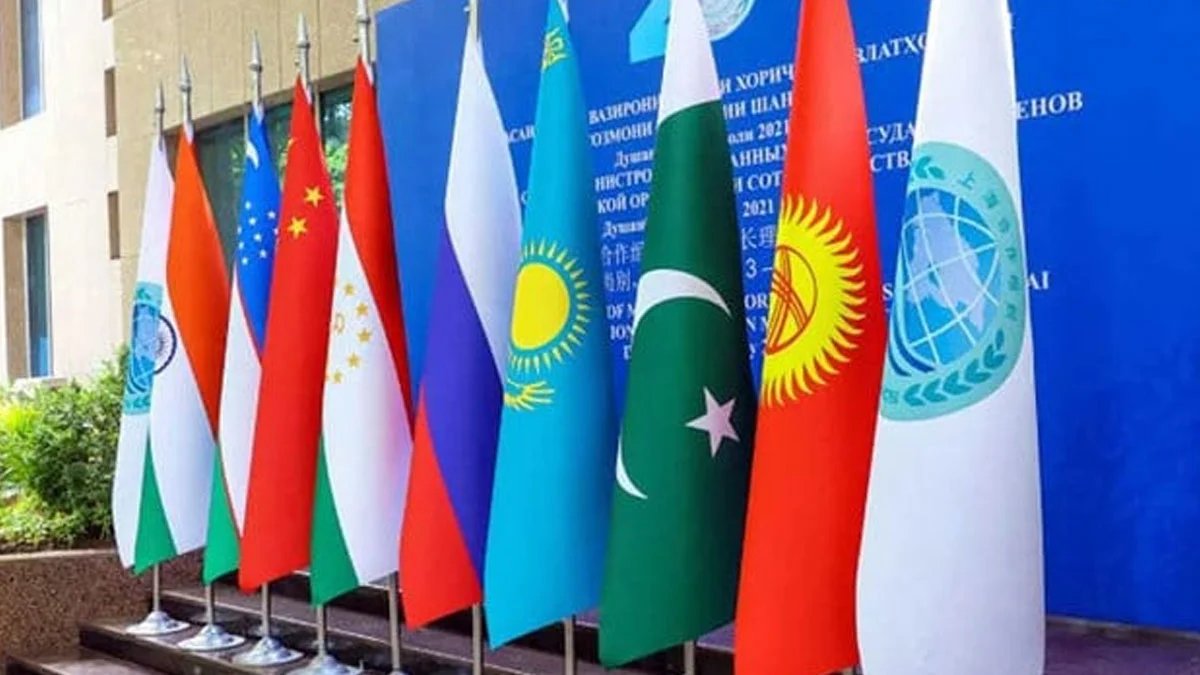
BISHKEK, Kyrgyzstan: Russia’s Vladimir Putin, China’s Xi Jinping and more than a dozen other leaders will gather in Kyrgyzstan Monday for a two-day summit of the Shanghai Cooperation Organisation, a regional bloc to counterinfluence to the West.
The group, which is celebrating its 25-year anniversary, brings together Russia, China, India, Pakistan, Iran, four Central Asian countries and Belarus.
Arriving in Bishkek on Sunday, Xi hailed a “golden period” in relations with Central Asian Kyrgyzstan, as China deepens its influence in the historically Russia-dominated region.
Putin and Xi have previously used SCO summits to promote a multipolar world and present a united front against the West.
Iran will be represented by its president, Masoud Pezeshkian.
Putin, Xi, Pezeshkian as well as Pakistan’s Shehbaz Sharif and India’s Narendra Modi are due to take part in a plenary session chaired by Kyrgyz leader Sadyr Japarov.
Turkey’s Recep Tayyip Erdogan is also expected to attend, though his country is not a formal member.
Putin is expected to hold separate bilateral talks with Iran’s Pezeshkian and China’s Xi, among other leaders, Kremlin spokesman Yuri Ushakov said.
Russia and Iran — among the states most sanctioned by the west — have deepened their military and economic ties since Moscow invaded Ukraine.
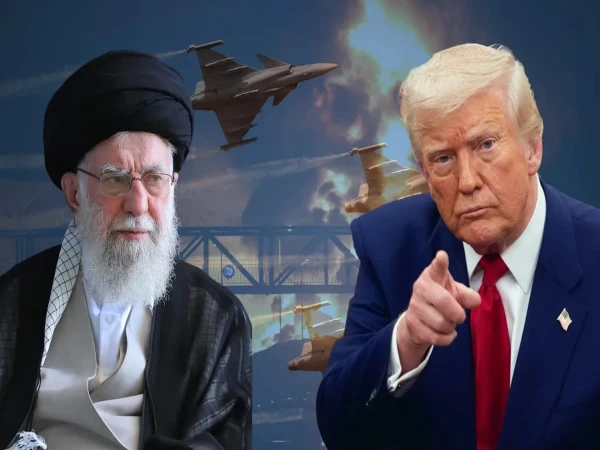
US President Donald Trump has warned Moscow and Beijing against arming Iran.
The SCO has historically focused on economic issues, but has gained momentum in recent years under Moscow’s and Beijing’s leadership.
On top of its 10 members, it now has 15 “dialogue partners”, including Turkey, Saudi Arabia and Qatar. It also has two observer countries: Afghanistan and Mongolia.
The SCO’s founding declaration says the group is “not an alliance directed against other states”.
Real and trade wars
The Bishkek summit takes place as some SCO members are in the midst of real wars — the Ukraine and Iran conflicts — or trade wars, with the imposition of US tariffs on Chinese and Indian goods.
This month, the US slapped secondary sanctions on Iran’s trading partners in the sectors of gold, technology, digital assets, aviation and maritime transport, aiming to cripple Tehran’s economy.
Washington has also threatened Iran’s allies with sanctions.
China, a major importer of Iranian oil, responded by saying it will “firmly defend” its interests.
Iran, living under sanctions since its 1979 revolution, has regularly said it will not cave to economic pressure.
The bloc claims to represent some 40 percent of the world’s population and 25 percent of global GDP, it remains diverse, with some disagreements among members.
Russia and China compete for influence in Central Asia — a resource-rich region crucial for the transport of goods between Europe and Asia — while Beijing at times has had strained relations with India.