
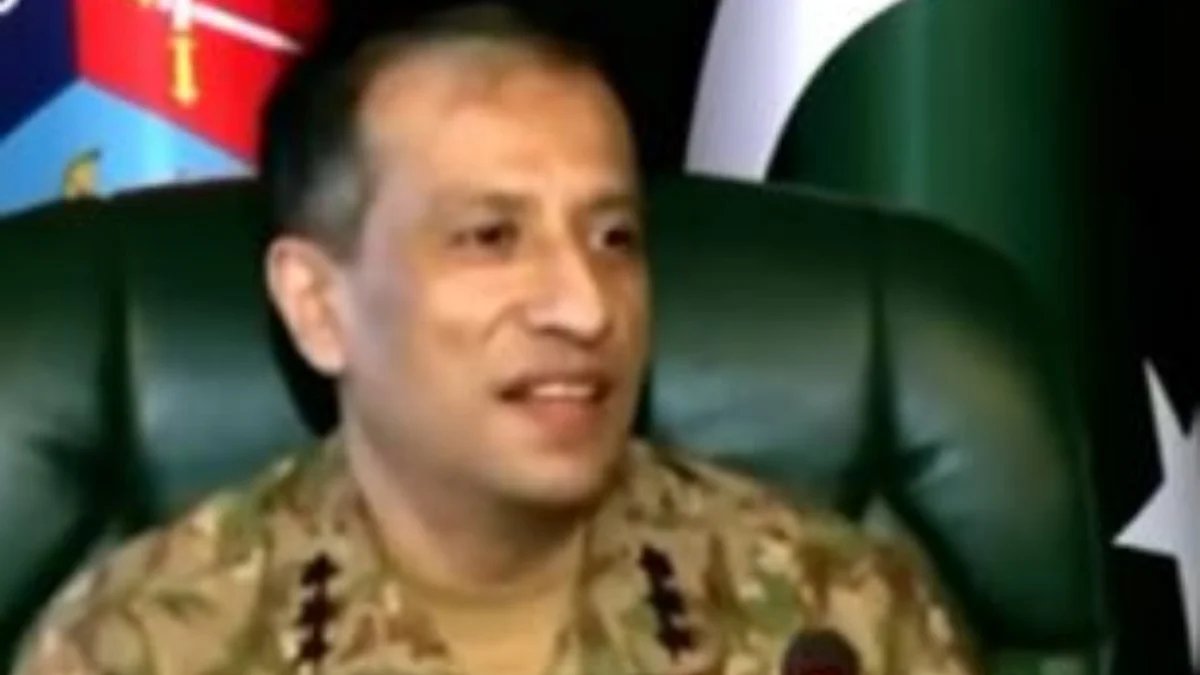
I have covered many press conferences, but I never expected to watch a “deceased terrorist” shake hands with the media. On 1 October 2026, DG ISPR Lieutenant General Ahmed Sharif Chaudhry said, in effect, “wait a minute,” and produced the man India had so confidently buried. Alive, standing, and apparently in excellent health for someone Indian anchors had already sent to the afterlife.
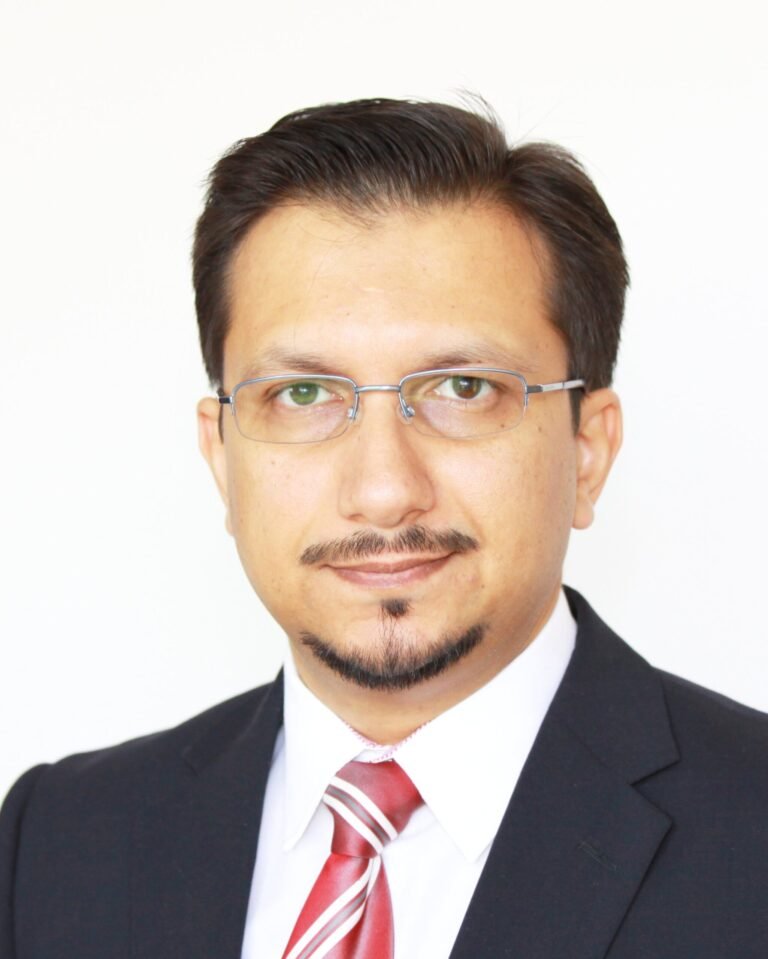
Let me introduce the man India’s media machine tried to turn into a monster. Mohammad Asif, the supposed “Hashim Musa,” was born on 7 March 1980. He joined the Pakistan Army in 2000 and retired as a Havildar. In 2005 he joined the Special Services Group and served with the 4 Commando Yalgar Battalion. From 2006 he was posted in Balochistan, where he took part in roughly ten operations against terrorists. That is the résumé of a soldier who fought militants, not of a mastermind behind Pahalgam. India, with a straight face, rearranged this biography into a thriller.
Here is what I love about the Indian version. The ID card was real. The personal details were real. The only fake part was the conclusion. Somebody in a studio in Delhi held up a genuine man’s genuine paperwork and announced that he was dead and guilty. Then the genuine man showed up on live television. When your “proof” is the actual identity of a living person, you have not exposed a villain. You have exposed your own fact checking department, assuming one exists.
So I must ask the question that now keeps every Indian producer awake at night. If this is the real Hashim Musa, and he is, then who exactly was killed? Whose body was paraded as a trophy? Whose name was borrowed to sell a story? I am not a forensic expert, but I know a script when I see one. A tragedy, a convenient culprit, a dramatic announcement, and a narrative ready before the facts. India calls it intelligence. I call it a pattern, and the false flag theory looks less like a theory and more like a very poorly edited screenplay.
My favourite moment was not even the reveal. It was the exchange with journalist Khurram Shahzad, who asked whether legal action would follow against Indian institutions for defaming and branding a retired soldier a terrorist. The DG ISPR, in his unmistakable earthy style, brushed it off, saying roughly: what will they do, those people in India? He added that this is an SSG man, and that the man himself says he has a slap in his hand. Legal action, he said, is for the state and the Foreign Office to weigh. The message was clear enough. India does not need a lawsuit. It needs a mirror.
And the mirror was the point. He did not expect shame or modesty from them, but wanted the world, Pakistanis and Indians alike, to see exactly whom they targeted. Let that sink in. A neighbour with satellites, spies, and a thousand television channels could not tell a retired Havildar from a mastermind. Bollywood at least checks continuity.
There was also a message for Kabul. The DG ISPR said Pakistan has no quarrel with its Afghan brothers and sisters, but that the rulers sitting in Kabul should realise their actions have nothing to do with Islam, Afghaniyat, or Pashtunwali. He accused them of selling themselves into the service of foreign agencies for a few dollars. Harsh words, but delivered in the same breath as an olive branch to ordinary Afghans.
As for Indian media, I will not pretend to be surprised. This is the same industry that has turned WhatsApp forwards into primetime journalism. Next time, may I suggest a radical innovation? Verify first, broadcast later. Call the man. Check whether he is breathing. It works wonders.
Until then, I salute the late Hashim Musa, who has bravely survived his own funeral. Long may he live, if only to keep Indian anchors awake at night.