
Throughout kitchens on every continent, a blue flame has been quietly reshaping the routine of daily life. Liquefied Petroleum Gas-LPG-turns meal preparation into a dependable, clean and almost effortless task.
A mere half-turn of a dial creates a controlled fire; a storage tank offers fuel without smoke or soot. For hundreds of millions of families, LPG’s small convenience has radically altered the experience of preparing food-replacing drudgery with efficiency, safeguarding health and extending the time left over from chopping wood or waiting for the power to come on. But in 2026, the very fuel that made people’s lives better is exposing the vulnerability of its own supply chain. A geopolitical fissure has driven prices sky-high, caused shortages and pushed consumers back to the fuels LPG was expected to displace.
LPG’s lustre as a cooktop comes from attributes that soon seem second nature. It condenses enormous energy into a small liquid that, when released from the cooktop, transforms into a fiercely controllable flame. The heat is delivered immediately and is adjustable from full blast to low sizzle with no lag time. Unlike solid fuel, it burns more or less completely, expelling significantly less particulate matter and toxic fumes into the indoor environment.
Women and children, who spend the lion’s share of their time near open fires, get definitive relief from respiratory trauma.
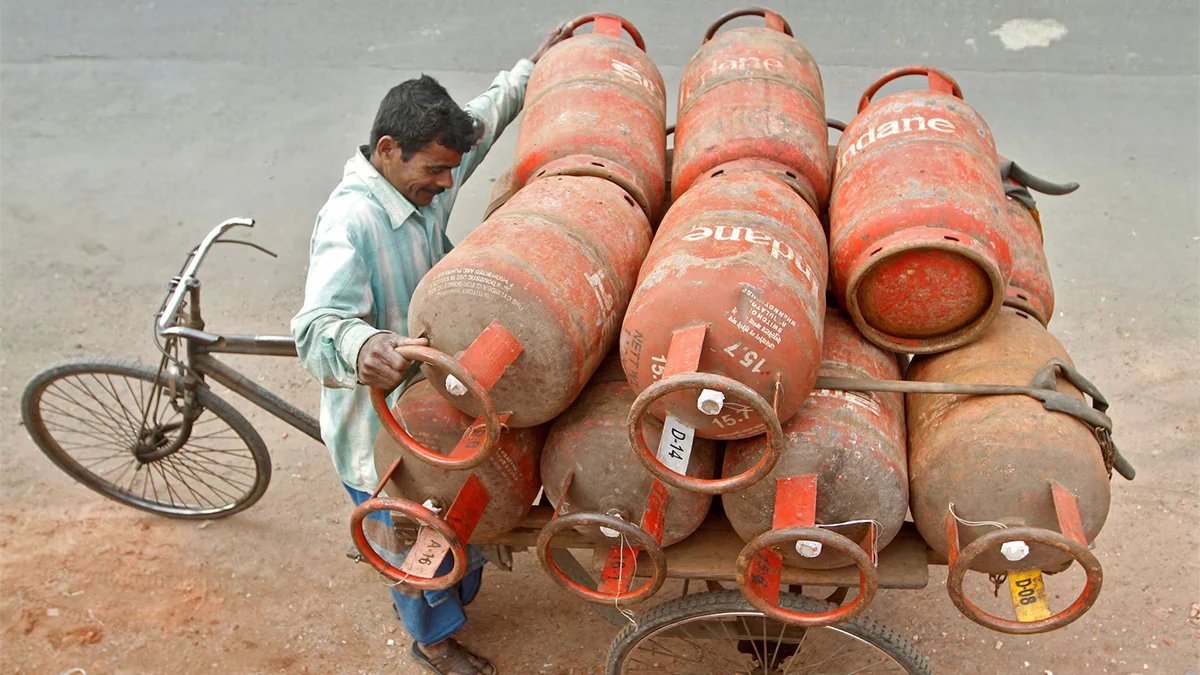
Transport is simple, requiring no pipelines, so rural households, rented apartments and mobile kitchens can all use the same appliance. Stovetops stay cleaner, boil times are reduced, and the kitchen remains cooler. These simple truths have led governments across the globe, from India to Brazil, to make LPG the tipping point to a less smoky world.
That bridge now looks frayed. About 3.4 billion people use LPG as the fuel of choice in their kitchens. Much of the shipping that has historically been delivering that fuel to Asia has passed through the Strait of Hormuz. When conflict in January 2026 blocked those waters, Middle Eastern exports to other markets tank-froze, in some cases to just 20 per cent of what they had been during the worst moments of the crisis. Containers that had routinely and dependably headed to Indian ports, to Southeast Asian terminals and to African markets suddenly were expensive or in short supply. India – which imported nearly 90 per cent of that LPG by sea – saw its supplies plunge and its stocks, which would have lasted perhaps just a week or two, come under immediate strain. Prices for cylinders climbed, subsidy programs languished, and refiners diverted petrochemical feeds to household consumption. In time, other markets received similar shocks; in Nigeria, cooking gas priced above N1,500 per kilogram threatened a decade of progress against charcoal and firewood.
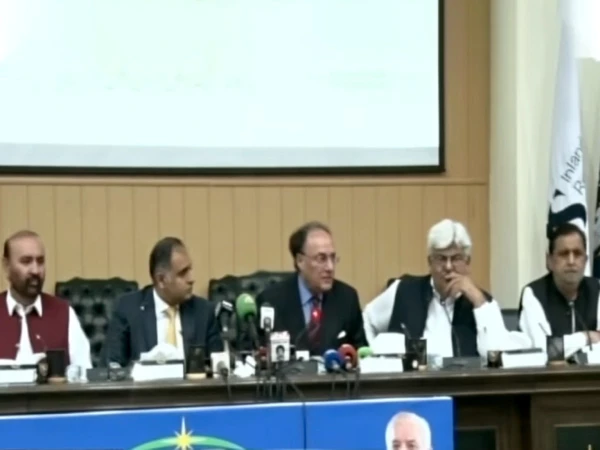
The lesson has been particularly vivid, and recent, for Pakistan. It is hugely dependent on Iranian LPG that is trucked through the Balochistan border crossings at Gabd-Rimdan and Taftan, but domestic supplies provide only a small portion of the everyday demand of 4,000-7,000 tonnes – depending on the season. When those crossings shut down due to security factors in mid-October 2026, supplies abruptly stopped. Official prices from the Oil and Gas Regulatory Authority averaged Rs279/kg, but open-market sales jumped to Rs500-650, even up to Rs750 in the cold weather of northern districts.
A normal, home-delivered cylinder costing about Rs3,350 was fetching Rs6,000, and even above Rs10,000, by the time of the crisis. Disaffected and near-empty household piped natural gas users turned to wood and coal, even as suppliers forecasted higher prices and black market trade and the government worked to ramp up seaborne imports through Karachi and to open borders. The incident illustrated just how fragile is the line of a single land route in keeping the family flame burning.
Freight markets bore the pain. Multi-year highs for very large gas carriers arose amid lengthy sailings around the Cape of Good Hope and more ship delays. US exports set records and partly replaced the absence of Asia, though all-in prices remained elevated due to rising freight and lengthy journeys. The meltdown demonstrated a common weakness: most nations import with lackluster strategic stocks and just-in-time shipping. When one main corridor halts, it’s felt in consumers’ living rooms within days.
As of the end of October 2026, a little bit of a comeback started. Shipping volumes are creeping toward historical norms, US shipments are still coming and new transportation corridors have emerged. Talks about strategic inventory, alternative sources and wider storage facilities are getting louder. And the International Energy Agency has not shied away from the obvious: LPG supply security is now front and centre for billions.
The blue flame has proved among the most workable home energy innovations. It cooks well and fast with control that the old method was never able to provide. But that humble service relies on intricate global and regional pipelines that can be cut off on a whim. Whatever happens in 2026, the flame in the kitchen will survive only if the depth, diversity and resilience of those pipelines can be maintained.